

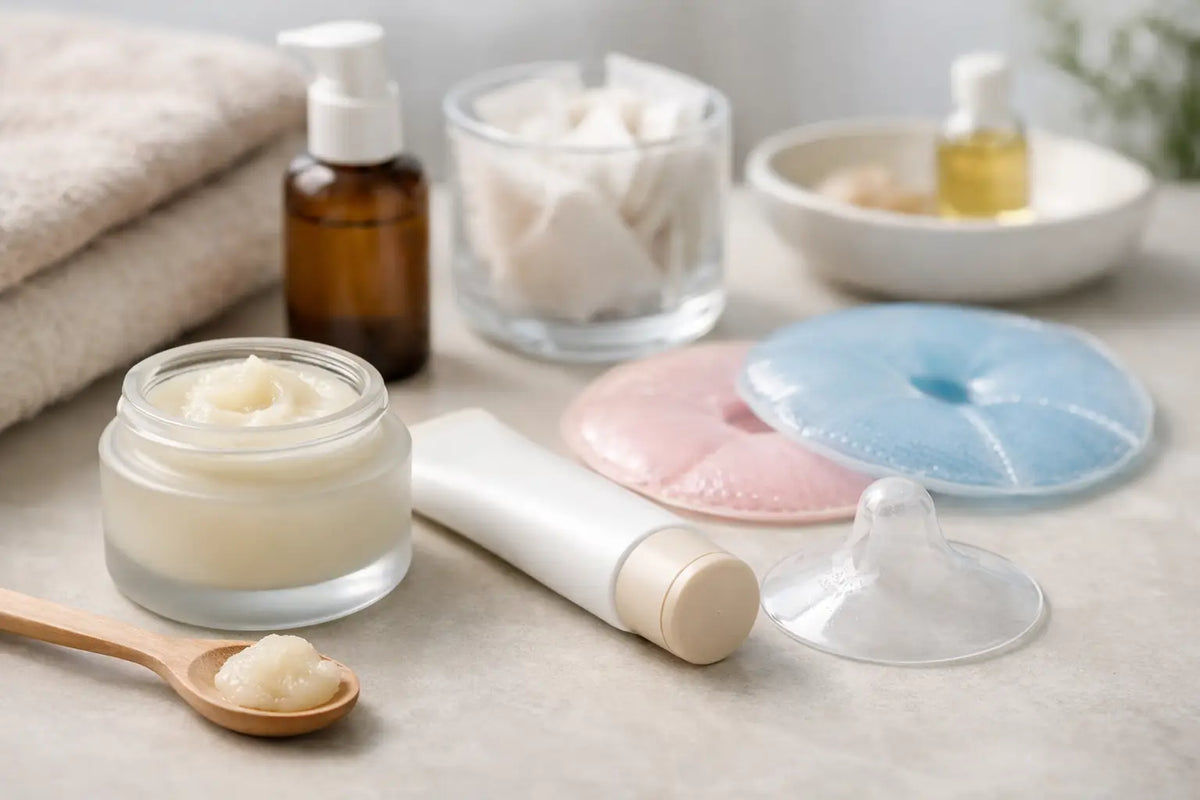
When feeding or pumping leaves your nipples sore, every latch, bra seam, and drop of water in the shower can feel like too much. The best products for nipple recovery do not promise a quick fix for every kind of pain. They create the right conditions for healing: less friction, balanced moisture, soothing temperature support, and a better understanding of what caused the tenderness in the first place.
You are doing amazing, mama. Nipple discomfort is common in the early weeks, but it should never be dismissed as something you simply have to endure. A thoughtful recovery routine can bring real relief while you continue your feeding journey with more comfort and confidence.
Start by understanding what your nipples need
Nipple recovery is not one-size-fits-all. A nipple that feels dry, cracked, and raw needs a different approach than one that feels swollen after a long pumping session. Some mothers need protection from clothing; others need cooling relief, help managing moisture, or support correcting pump fit.
The most effective products tend to fall into four gentle categories: protective covers, cooling therapy, absorbent nursing pads, and fit-support tools for pumping. Rather than buying every option at once, begin with the symptom that is making your day hardest.
If pain is sharp, worsening, or present throughout a feed, pause before adding more products. Persistent pain can point to shallow attachment, pump settings that are too strong, an incorrect flange size, skin irritation, or an infection that needs medical care. Products can support healing, but they cannot replace an assessment of the underlying cause.
Best products for nipple recovery and everyday comfort
Silver nipple covers for protection between feeds
Silver nipple covers are a beautiful, practical choice when tender skin needs a break from fabric rubbing against it. Worn inside the bra between feeds, they create a smooth protective barrier that can help reduce friction from clothing and nursing pads.
Many mothers appreciate them most when nipples are cracked, sensitive, or simply feeling overexposed. Silver is naturally antimicrobial, and the covers help maintain a moist healing environment without requiring heavy layers of topical product. They are reusable, discreet, and especially helpful for mothers who want a simple recovery ritual that does not add another complicated step to the day.
Fit matters here. The cover should sit comfortably over the nipple without pressing into swollen tissue. Remove it before feeding or pumping, rinse as directed, and let the skin air briefly if it feels overly damp. Too much trapped moisture can soften the skin and make it more vulnerable, so comfort should always guide how long you wear them.
Cooling pads for immediate tenderness relief
For nipples that feel hot, swollen, or intensely sensitive, cooling pads can offer a small but meaningful moment of relief. A cool compress helps calm inflammation and can be particularly comforting after a difficult feed or pump session.
Choose pads designed for the breast area, with a soft surface that will not cling to delicate skin. Use them for short periods rather than keeping them on continuously. Very cold products may feel soothing at first but can become uncomfortable if used directly against damaged skin for too long.
Cooling pads are ideal for acute soreness, while silver covers are often better for ongoing protection between feeds. Some mothers use both at different times of day: cooling support after feeding, then protective covers once the skin is dry and comfortable.
Hot and cold therapy pads for breast comfort
Not all nipple pain begins at the nipple. Breast fullness, blocked ducts, and tension around the areola can make feeding and pumping feel harder, which may contribute to soreness over time. Reusable hot and cold therapy pads are designed to bring flexible comfort to the whole breast area.
Warmth before feeding or pumping can encourage milk flow and help you relax into the session. Cold therapy afterward may ease swelling and tenderness. The key is moderation: warm, not hot; cool, not painfully cold. Always follow the product instructions and place a soft layer between the pad and your skin if needed.
These pads are not a direct treatment for cracked nipples, but they can be an important part of a recovery plan when breast discomfort is making everything feel more difficult.
Reusable bamboo nursing pads for gentle leak protection
Leaking can leave the nipple damp for long periods, and dampness plus rubbing can slow recovery. Soft, breathable reusable bamboo nursing pads help manage moisture while offering a gentler feel against sensitive skin than rough or stiff materials.
Change nursing pads as soon as they feel wet. This is one of the quiet details that can make a major difference when you are healing. Wearing a damp pad for hours can irritate already tender skin, even if the pad itself feels soft.
Look for pads that sit smoothly inside your bra and do not bunch at the nipple. Wash them according to care directions and keep several pairs available so a fresh, dry option is always within reach. Comfort is not a luxury during postpartum recovery. It is part of protecting your skin.
Proper flange inserts for pump-related soreness
If nipple pain appears mainly during or after pumping, flange fit deserves immediate attention. A tunnel that is too large can pull in too much surrounding tissue, while one that is too small can cause rubbing, blanching, swelling, or restricted movement. Neither is something you should push through.
Flange inserts can help customize the fit of a breast pump so the nipple moves more comfortably in the tunnel. The goal is not to force a particular size, but to find the fit that allows gentle movement with minimal rubbing and no persistent pain.
Watch how your nipple looks and feels after a pumping session. Temporary sensitivity can happen, but significant swelling, a pinched appearance, white discoloration, or pain that lingers are signs to reassess your setup. Lowering suction may also help. Stronger suction does not automatically mean better results, and comfort supports consistency.
At Noora Motherhood, this is where lactation-informed support matters. The right product is more helpful when paired with guidance that considers your body, pumping routine, and recovery needs.
A simple nipple recovery routine
Recovery often works best when it is calm and consistent. After feeding or pumping, gently pat the area dry if needed rather than rubbing. If your skin is tender, allow a few moments of air exposure before placing on a clean, dry nursing pad or protective cover.
Use cooling pads when you need soothing relief, and use silver nipple covers between feeds when friction is the main issue. Replace damp nursing pads promptly. If pumping contributes to pain, check your flange fit and suction settings before your next session instead of waiting for soreness to build.
Avoid harsh soaps, fragranced wipes, and scrubbing the nipple area. Simple care is usually kinder to healing skin. If you use a nipple balm or ointment recommended by your healthcare professional, apply only a thin layer. More product is not always better, particularly if it creates constant dampness.
When products are not enough
Seek help from a lactation consultant or healthcare professional if you have deep cracks, bleeding that continues, fever, flu-like symptoms, a spreading rash, shiny or itchy skin, severe burning pain, or pain that does not improve despite adjusting your routine. You also deserve support if feeding feels consistently stressful or you are bracing yourself before every session.
Sometimes the answer is a small change in positioning. Sometimes it is a pump adjustment, treatment for an underlying condition, or a personalized plan that protects both your comfort and your feeding goals. Asking for help early can prevent a manageable issue from becoming an exhausting one.
Your recovery kit does not need to be complicated. A pair of well-fitted flange inserts, breathable nursing pads, a cooling option, and protective silver covers can cover many of the most common needs. Choose the tools that respond to your symptoms, use them with gentleness, and remember that healing deserves the same care you so generously give every day.


