

Some days it feels like your body is keeping score - how long baby fed, how much you pumped, how full your breasts feel, how little sleep you got. If you are wondering how to increase milk output, you are not alone, and you are not failing. Milk production can shift for many reasons, and in most cases, it responds best to calm, consistent support rather than pressure.
The first thing to know is that low output does not always mean low supply. A baby who is feeding well at the breast may remove more milk than a pump can. Output can also vary by time of day, stress level, your cycle returning, illness, skipped feeds, flange fit, or simply where you are in your postpartum season. Because every drop counts, it helps to look at the full picture before assuming your body is not making enough.
How to increase milk output starts with milk removal
Breast milk production works on supply and demand. The more effectively and regularly milk is removed, the stronger the signal your body receives to keep making more. That is why frequency matters so much.
If your baby is nursing, offer the breast often and watch for active swallowing rather than focusing only on the clock. If you are pumping, try not to let long gaps become the norm, especially in the early weeks. Many mothers see better results when they pump or nurse at least 8 times in 24 hours during supply-building periods, though the exact rhythm depends on your baby’s age, feeding pattern, and your own recovery.
Consistency matters more than a single power session. One excellent pumping session does not build supply on its own, just as one low session does not define your breastfeeding journey. Your body responds to patterns.
When frequent pumping helps most
If supply has dipped after missed sessions, returning to work, illness, or a baby sleeping longer stretches, adding one or two extra pumping sessions for several days can help. Some mothers also benefit from a power pumping session once a day for a few days in a row. This mimics a period of increased demand and can encourage your body to respond.
That said, more is not always better. If extra pumping leaves you exhausted, sore, or overwhelmed, the plan may need adjusting. A sustainable routine is more helpful than a perfect one you cannot maintain.
Check whether milk is being removed effectively
If you want to know how to increase milk output, comfort and technique matter almost as much as frequency. When milk is not being removed well, your body receives a weaker message to keep producing.
At the breast, that can look like a shallow latch, sleepy feeding, clicking sounds, nipple pain, or baby seeming frustrated after long sessions. During pumping, it can look like low output despite regular sessions, sore nipples, rubbing, swelling, or milk spraying inconsistently.
Flange size is a common issue. A flange that is too large or too small can reduce output and make pumping uncomfortable. A better fit can improve milk removal while protecting delicate tissue. Suction settings matter too. Stronger is not always better. Effective pumping should feel tolerable and rhythmic, not painful.
Simple breast massage before and during pumping can also help trigger letdown and support better drainage. Warmth often helps. A warm compress or hot and cold therapy pad before a session can encourage flow, while cooling after pumping may ease tenderness and swelling.
Feed your nervous system too
Milk production is physical, but it is not purely mechanical. Stress, pain, and exhaustion can interfere with letdown and make sessions feel discouraging. This does not mean you can think your way into more milk, and it certainly does not mean stress is your fault. It means your body may need gentler conditions to do what it already knows how to do.
Try making one feeding or pumping session each day feel easier. Sit somewhere supportive. Keep water nearby. Use breast care products that reduce friction and discomfort. Put your shoulders down. Breathe before you begin. Look at your baby, smell your baby’s clothing, or close your eyes for a minute instead of watching every drop.
Many mothers notice that output improves when they stop bracing through every session. The goal is not perfection. It is helping your body feel safe enough to release milk.
Hydration, food, and rest all play a role
There is no single food that guarantees more milk, but under-eating, dehydration, and severe fatigue can make supply challenges harder. Your body is doing demanding work, and it needs steady support.
Drink to thirst, and keep fluids within reach during feeds and pumping sessions. You do not need to force excessive amounts of water, but going long stretches without drinking can leave you feeling depleted. Aim for regular meals with enough calories, protein, healthy fats, and carbohydrates. Postpartum recovery is not the time to restrict heavily.
Rest matters too, even when full sleep feels impossible. A short nap, lying down after a feed, or asking someone else to handle one household task can make more difference than mothers often expect. When your body is stretched thin, milk production may feel the strain.
How to increase milk output when pumping is part of your routine
If you are relying on a pump for some or most milk removal, the details of your setup really matter. A well-designed pump that feels comfortable, fits your lifestyle, and allows regular use can make supply-building more realistic.
Start by checking the basics. Replace worn pump parts if suction seems weaker. Reassess flange fit as your body changes. Make sure you are pumping long enough to reach a second letdown if possible, often around 15 to 20 minutes, though some mothers need more or less. Hands-on pumping, with gentle compression during the session, often improves output.
Timing can help too. Many mothers produce more milk earlier in the day, so an early morning session may be especially productive. If evenings are lower, that does not automatically signal a problem. Daily totals tell a more useful story than one disappointing session.
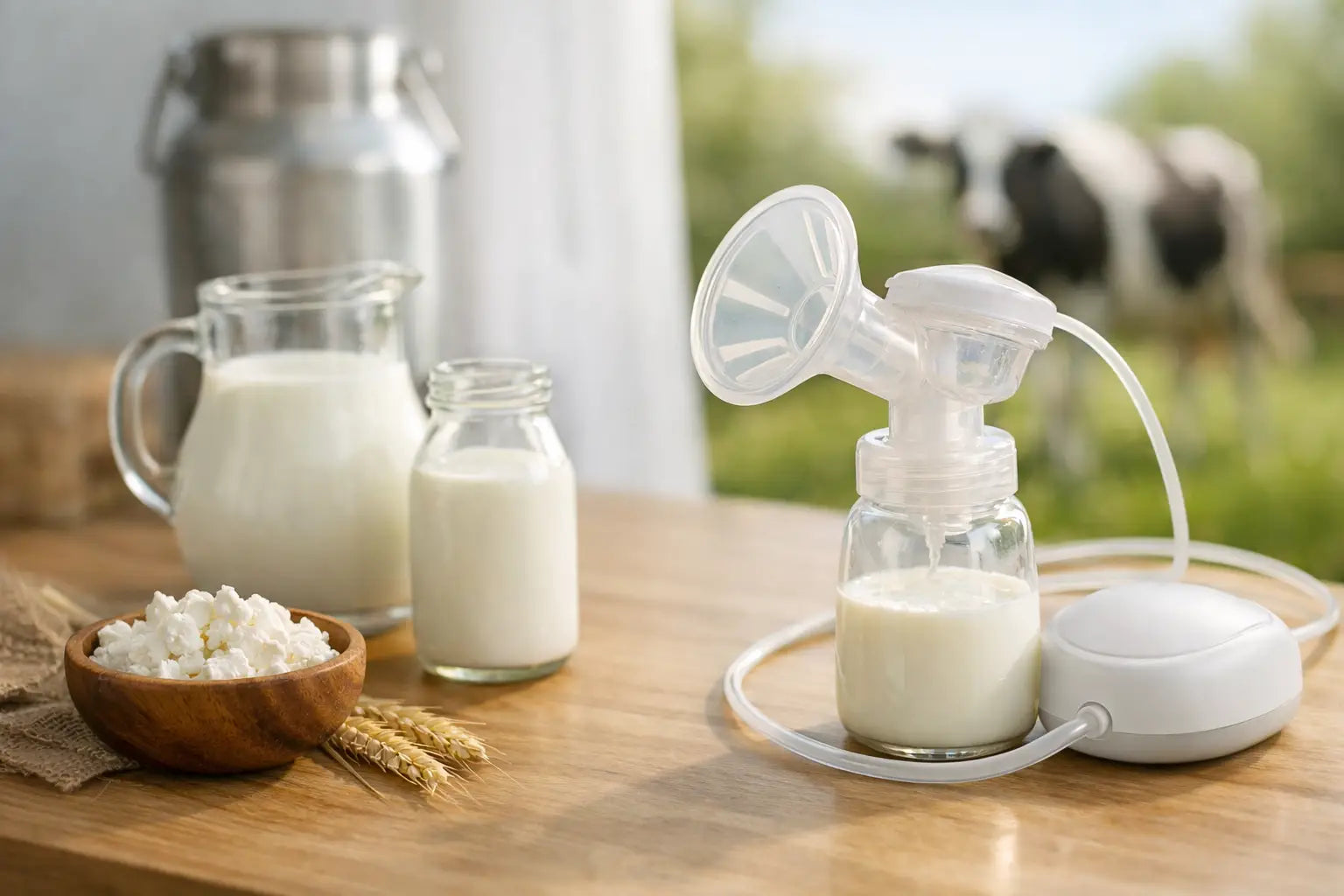
For mothers who need flexibility, a portable double electric pump can make it easier to stay consistent without feeling tied to one spot. That matters more than it may seem. The best pump routine is the one you can actually live with.
Watch the baby, not just the ounces
It is easy to let pump bottles become the measure of your success, but they are only one piece of the puzzle. If your baby has enough wet and dirty diapers, is gaining weight appropriately, and seems satisfied after feeds, supply may be better than you think.
On the other hand, if diaper output drops, weight gain is slow, feeds are constantly prolonged without satisfaction, or pain is affecting milk transfer, it is worth getting expert support early. Small adjustments can sometimes make a big difference before the stress builds.
This is where lactation guidance can be invaluable. A skilled lactation consultant can assess latch, feeding effectiveness, pumping mechanics, flange sizing, breast comfort, and your overall routine instead of offering one-size-fits-all advice. That kind of support is often what turns confusion into a clear plan.
Common reasons milk output dips
Sometimes a drop in output has a clear trigger. Your period may be returning. You may have gone back to work and started missing sessions. You may be recovering from illness, taking certain medications, feeling significant stress, or caring for an older baby who has become more distracted at the breast.
Hormonal conditions, thyroid issues, retained placenta after birth, previous breast surgery, and severe blood loss postpartum can also affect supply. If your output remains low despite frequent, effective milk removal and good support, it is wise to speak with your doctor and a lactation professional. Gentle reassurance is important, but so is proper assessment.
What helps most when you feel discouraged
When mothers search how to increase milk output, they are often carrying more than a practical question. They are carrying fear, guilt, comparison, and exhaustion. So let this be said clearly - needing help does not mean your body has failed, and needing tools does not make your breastfeeding journey less meaningful.
Start with the basics and give them a little time. Remove milk often and effectively. Check latch or pump fit. Add warmth, massage, and comfort. Eat and drink regularly. Protect your rest where you can. Reach for expert support sooner rather than later if things do not improve.
At Noora Motherhood, we believe mothers need more than products. They need thoughtful care, practical comfort, and guidance that respects both the science of lactation and the emotional weight of feeding a baby.
You are doing amazing, mama. Sometimes increasing milk output is not about pushing harder. It is about giving your body the right kind of support, one calm and cared-for session at a time.


