

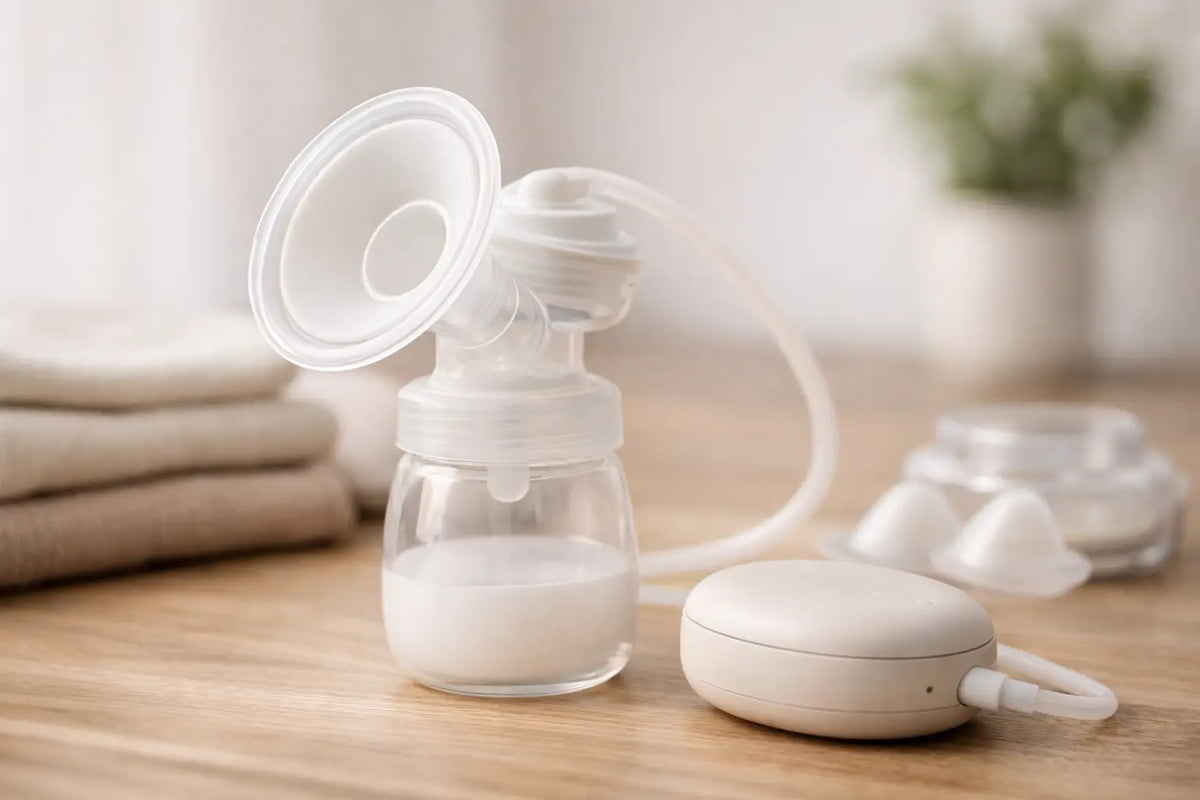
A pump can be beautifully designed, portable, and powerful, yet still feel uncomfortable when the flange opening is not the right size for your body. Learning how to use flange inserts can make a meaningful difference in how pumping feels, helping you create a closer fit that supports comfort and effective milk expression. You deserve pumping sessions that feel more supported, mama.
Flange inserts are small silicone pieces placed inside a standard pump flange. They reduce the tunnel diameter, allowing mothers with smaller nipple measurements to use a flange that fits more closely without replacing the entire pump flange. The goal is not to create extra pressure. It is to help the nipple move freely within the tunnel with less rubbing, pulling, or swelling.
What flange inserts do for your pumping comfort
A flange is the funnel-shaped part of your pump that sits over the breast. Its tunnel is where the nipple moves during pumping. When that opening is too wide, too much surrounding breast tissue may be drawn inward. This can feel uncomfortable and may leave the nipple looking swollen, pale, or irritated after a session.
A correctly sized insert narrows that tunnel. For many mothers, this can mean less friction and a more centered nipple position. Some also find that a better fit helps them feel more comfortable during regular pumping sessions, especially when pumping frequently.
Fit is personal. A size that feels right in the morning may not feel exactly the same later in the day, as nipple size can change with pumping, fluid retention, and postpartum healing. Think of inserts as a practical fitting tool, not a one-size-fits-all answer.
How to use flange inserts step by step
Before beginning, make sure your hands, pump parts, and insert are clean and completely dry. Moisture or residue can prevent the insert from sitting smoothly inside the flange.
1. Check that the insert matches your flange
Flange inserts are designed to fit inside a specific flange size. The outer edge of the insert should rest securely against the inside of your existing flange without curling, shifting, or leaving a gap. If it feels loose, it may not be compatible with your flange.
Do not force an insert into place. Silicone should sit naturally and evenly. A distorted insert can create rubbing at the tunnel edge and make pumping less comfortable.
2. Place the insert inside the flange tunnel
Hold the flange with the tunnel facing you. Gently press the insert into the tunnel until its outer rim lies flat against the inner surface of the flange. Run a clean finger around the edge to make sure there are no folds or air pockets.
The narrow opening should be centered. If the insert appears tilted or twisted, remove it and try again. Taking a few seconds here can prevent discomfort once pumping begins.
3. Center your nipple before starting
Bring the assembled flange to your breast and position your nipple in the center of the insert opening. You may find it easier to do this while sitting upright with your shoulders relaxed. Avoid pressing the flange hard into the breast, as excessive pressure can affect comfort.
Once positioned, begin pumping at the lowest comfortable setting. Give your body a moment to respond before adjusting the suction. Stronger is not always better. The most helpful setting is typically the highest level that still feels comfortable and does not cause pain or pinching.
4. Watch what happens during the first minute
A well-fitting insert allows the nipple to move in and out of the tunnel with minimal rubbing along the sides. A small amount of surrounding tissue may enter the tunnel, but it should not feel like a large area is being pulled in.
If you feel sharp pain, pinching, burning, or persistent pulling, pause the session. Recheck your alignment and make sure the insert has not shifted. If discomfort continues, the insert size may be too small, too large, or simply not the best fit for your anatomy.
Choosing the right insert size
Insert sizing is based on nipple diameter, not the size of the areola or breast. The measurement is usually taken at the base of the nipple after a pumping session or stimulation, when the nipple is close to its working size.
Many lactation professionals recommend choosing an insert that is slightly larger than the measured nipple diameter, often allowing a small amount of room for movement. The exact amount can vary because nipple elasticity and response to suction differ from mother to mother.
A fit that is too small may cause the nipple to rub against the tunnel walls or feel compressed. A fit that is too large may allow excessive tissue to be drawn into the tunnel. Neither experience means you have done anything wrong. It simply means your body may need a different size or a closer assessment.
If you are between sizes, consider how each option feels during a short session rather than relying only on the number. Comfort, nipple movement, and how your breast feels afterward are all useful clues.
Signs your flange insert may be working well
The right fit often feels noticeably gentler, though pumping should never be expected to hurt. During the session, the nipple should remain centered and move freely without scraping the sides. Afterward, it should return to its usual color and shape relatively quickly.
You may also notice that your breast feels comfortably softened after pumping. Milk output can be one useful signal, but it should not be the only one. Output naturally changes throughout the day and can be influenced by hydration, stress, timing, hormones, and how recently you last pumped.
Comfort matters. A flange insert that helps you complete your pumping session without soreness or dread is doing valuable work.
Common flange insert problems and simple fixes
If the insert keeps slipping, first check whether it is designed for your flange size. Confirm that both pieces are dry and that the insert rim is fully seated. Wear over time can also affect the way silicone grips, so inspect the insert for stretching, tears, or thinning.
If the nipple is rubbing, the insert may be too small, misaligned, or positioned at an angle. Stop, reposition, and try again at a lower suction level. Lubrication may help some mothers reduce friction, but use only a pumping-safe product that is compatible with your pump parts and your personal care routine.
If your nipple turns white, purple, or deeply red, or if pain continues after pumping, take a break and seek personalized support from a lactation consultant or healthcare professional. Persistent pain deserves attention. It is not something you need to push through.
Cleaning and caring for your inserts
Treat flange inserts as part of your regular pump kit. After each use, separate them from the flange and clean them according to the manufacturer's care instructions. In general, use warm water and a gentle wash designed for feeding equipment, then rinse thoroughly and allow the pieces to air-dry completely on a clean surface.
Avoid storing inserts while damp, as trapped moisture can affect hygiene and the life of the material. Before each use, inspect the silicone for cracks, discoloration, stickiness, or damage around the rim. Replace inserts when they no longer sit securely or look worn.
Keeping a spare can be especially helpful when you are pumping away from home. A small, clean storage pouch helps protect the insert from lint and keeps your routine feeling more organized.
When personalized fitting support is worth it
A flange insert can be a simple solution, but breastfeeding and pumping are never purely mechanical. If you have ongoing soreness, nipple damage, recurring clogged areas, or uncertainty about sizing, personalized lactation support can bring real clarity.
At Noora Motherhood, mothers are encouraged to view comfort as part of effective care, not an optional extra. A lactation-informed fitting conversation can help you assess flange size, pumping settings, session frequency, and the small adjustments that may make your routine feel more manageable.
Your body is not failing if a standard flange does not feel right. It is simply giving you information. Listen closely, make one gentle adjustment at a time, and let comfort guide the way forward. You are doing amazing, mama.


