

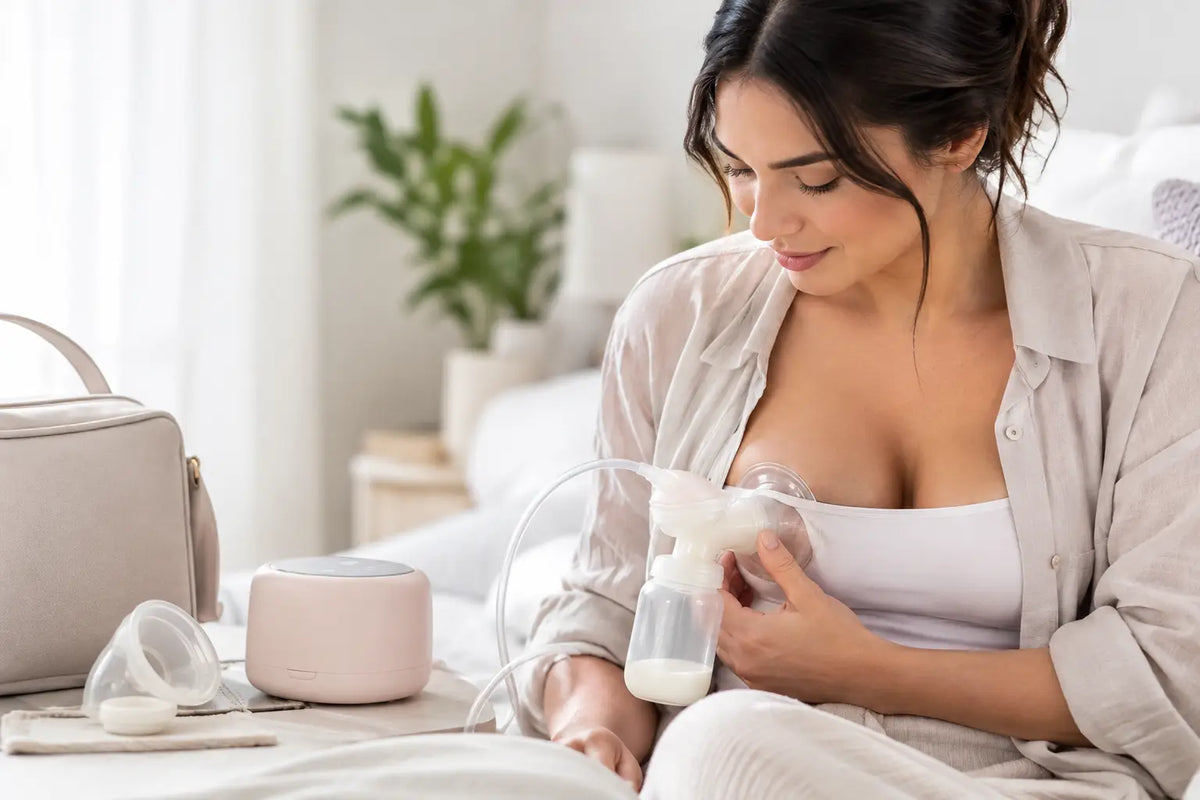
Pumping nipple swelling can turn a routine pumping session into something you brace yourself for. If your nipples look puffy, feel tender, rub against the tunnel, or seem larger after pumping, please know this is a common concern and not a sign that you have failed. Your body is working hard, mama. Swelling is often your breast tissue asking for a gentler fit, a lower setting, or a little more recovery time.
Why pumping can cause nipple swelling
During pumping, the nipple is drawn into the flange tunnel by suction. A small amount of temporary fullness can happen, especially in the early postpartum weeks when your body is still adjusting to milk production. It should settle reasonably soon after your session and should not leave you with ongoing pain, broken skin, or a nipple that is markedly misshapen.
More noticeable pumping nipple swelling usually comes down to friction, compression, or suction that is stronger than your tissue comfortably tolerates. The most common cause is a flange that does not fit your nipple well. Flange sizing is personal, and the size printed on a pump is only a starting point. Your nipple size can also change throughout the day and across your breastfeeding journey.
A flange that is too small can squeeze the nipple and restrict its movement. One that is too large may pull too much areola into the tunnel, creating friction and swelling. High suction can have a similar effect, particularly when it is used to chase a faster milk flow. More suction is not always more effective. The most useful setting is typically the highest level that still feels comfortable and allows milk to flow well.
Some mothers are also more prone to swelling because of fluid retention after birth, sensitive skin, previous nipple trauma, or a condition called vasospasm, where the nipple blood vessels narrow and cause sharp pain or color changes. If swelling is accompanied by intense pain, blanching, or a purple or white color change, personalized lactation or medical guidance is worthwhile.
Check your flange fit first
A comfortable pump session starts with alignment. Before you begin, center your nipple in the flange tunnel. It should move freely in and out without repeatedly scraping the sides. A small amount of areola may be drawn in, but a large amount of areola being pulled deep into the tunnel can point to a flange that is too large or too much suction.
Look at how your nipple feels and appears after pumping, not only during it. Signs that your fit may need adjusting include a nipple that looks compressed, develops a white ring at the base, emerges swollen or elongated for a long time, or becomes sore with every session. Reduced milk removal can also happen when tissue is being compressed.
Because sizing can be nuanced, a flange insert may offer a more tailored fit when the standard flange feels too roomy. A well-fitted insert can reduce excess areola pull and make sessions feel gentler. If you are unsure what you are seeing, a lactation consultant can assess both your nipple measurement and your pumping technique. This is not about finding a perfect number - it is about finding a fit that lets your body work without unnecessary stress.
A quick comfort check while pumping
Once you start pumping, discomfort should not steadily build. Mild pulling is normal; pinching, burning, stabbing pain, or numbness is not something to push through. Pause the session, release the suction, and reposition if the nipple is being pulled to one side or rubbing against the tunnel wall.
It can help to use a small amount of pump-safe lubricant around the inside edge of the flange tunnel if friction is the issue. Choose a product intended for the breast area and follow its directions carefully. Avoid applying anything that could irritate broken skin or leave a residue you are uncomfortable using.
Lower the suction before you shorten every session
When nipples are swollen, it is tempting to either turn the suction up in hopes of finishing sooner or avoid pumping altogether. Neither is always the best answer. Strong suction can worsen swelling, while abruptly skipping milk removal may leave you overly full and uncomfortable.
Instead, try beginning on a gentle stimulation setting and increasing gradually only until milk is flowing comfortably. Stay there rather than automatically moving to the strongest setting. A slightly slower, pain-free session is often more productive than a short session spent tensing your shoulders and waiting for it to end.
Session length matters too. If swelling is increasing, shorter and more frequent sessions may feel better for a day or two than longer sessions with sustained pulling. This depends on your milk supply needs and your individual routine, so seek tailored advice if you are making significant changes.
Soothe swollen nipples after pumping
Cold can be especially comforting when your nipples feel hot, puffy, or tender after a session. Apply a clean cool compress or cooling pad briefly after pumping, with a soft layer between the cold source and your skin if needed. The goal is soothing, not numbing the tissue.
For general breast fullness or a slow letdown, gentle warmth before pumping may help you feel more comfortable. Keep heat brief and avoid prolonged heat directly on inflamed, swollen nipples, as it can sometimes make tenderness feel worse. Many mothers find that warm before and cool after is a helpful rhythm, but your symptoms should guide you.
Give the area a chance to breathe between sessions. Soft, breathable nursing pads can protect clothing without trapping excess moisture against sensitive skin. If you use nipple covers for healing or protection, keep them clean and follow the product guidance. Persistent dampness can make irritated skin more vulnerable.
Hydration, rest where possible, and avoiding tight pressure over the breasts can also make a meaningful difference. These are small comforts, but postpartum recovery is often built from small comforts repeated with care.
When swelling may need professional support
Most pump-related swelling improves once the fit and suction are adjusted. However, you deserve prompt support if the problem is not settling, especially if pain is affecting your ability to pump or feed comfortably.
Reach out to a lactation consultant or healthcare professional if you notice cracked or bleeding skin, worsening pain, a nipple that stays severely swollen between sessions, a persistent white spot or blister, or signs of infection such as spreading redness, fever, chills, or feeling unwell. Ask for help sooner if milk output suddenly drops alongside pain or if you have a history of nipple or breast surgery.
It is also wise to get assessed if your nipple changes color after pumping. White, blue, or purple color changes with burning or throbbing pain can have causes that need a different approach than simply changing a flange size. You do not need to diagnose it alone.
Build a gentler pumping routine
A good pumping routine should feel sustainable, not like an endurance test. Start by checking your flange fit, centering your nipple, and using only comfortable suction. Then pay attention to what happens in the hour after pumping. Less swelling, less tenderness, and skin that returns to its usual appearance are all encouraging signs.
At Noora Motherhood, we believe pumping support should include both thoughtful tools and expert reassurance. The right flange insert, cooling care, and gentle technique can help protect your comfort while you continue expressing milk in a way that works for your family.
You are doing amazing, mama. Pain is not the price of pumping, and swelling is useful information from your body. Respond to it with patience, make one gentle adjustment at a time, and let expert support be part of your care when you need it.


