

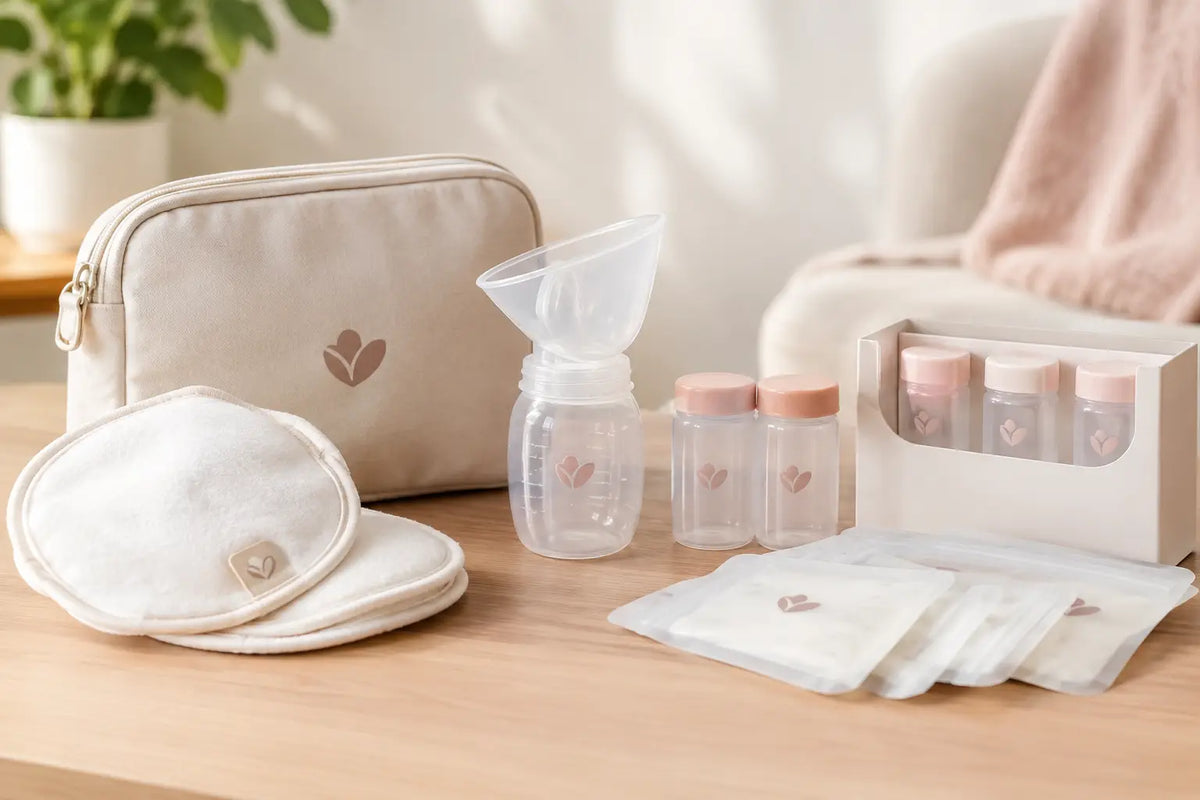
Those tiny golden drops can feel surprisingly significant, especially when you are preparing for birth or navigating the first tender days of feeding. The best colostrum collection supplies make the process calmer, cleaner, and less wasteful, so you can focus on your comfort rather than trying to save a precious drop from an unsuitable container. Because every drop counts, the right setup should feel simple in your hands and aligned with guidance from your maternity care team.
Why Colostrum Needs Its Own Collection Setup
Colostrum is produced in small amounts, and that is completely normal. It is often thick and golden, though its color and consistency can vary. Because the volume may be just a few drops at a time, standard milk collection products can be impractical. A purpose-designed collector or a small sterile syringe gives you more control and helps reduce what is left behind on the surface of a larger container.
For some mothers, antenatal expression is suggested by a care provider in the final weeks of pregnancy. For others, collection begins after birth. The timing is personal and medical, not a task to add to your pregnancy checklist without support. If you have been advised against antenatal expression, have a history of early labor, bleeding, cervical concerns, or any pregnancy complication, speak with your obstetric provider or midwife before trying it.
The supplies themselves do not need to be complicated. They simply need to support hygienic handling, accurate storage, and a gentle experience when your body is already doing a lot.
The Best Colostrum Collection Supplies to Keep Ready
A small, easy-to-handle colostrum collector
A dedicated colostrum collector is the heart of your kit. Look for a compact collector with clear measurement markings, a secure cap, and a shape that is easy to hold close while hand expressing. The best designs minimize transferring colostrum from one container to another, which is helpful when every small amount matters.
Reusable silicone collectors can be a thoughtful choice when they are made from safe, high-quality materials and can be thoroughly cleaned and sterilized as directed. Pre-sterilized single-use options may feel more convenient for hospital packing or for mothers who prefer the reassurance of opening a fresh collector each time. Neither choice is automatically better. It depends on your care plan, your access to sterilization, and the storage instructions you have been given.
Sterile syringes for very small volumes
When you are collecting only drops, sterile oral syringes can be especially practical. They allow for precise collection and measurement, and they can make it easier to bring expressed colostrum to a hospital or birth center when that has been recommended.
Choose syringes that are individually packaged and sterile. Keep the caps on until you are ready to use them, and avoid touching the inside of the cap or tip. Your care team may have a preferred size or a specific process for labeling and storing expressed colostrum, so it is always worth asking before purchasing a large supply.
Labels that protect the details
A simple waterproof label is one of the most useful supplies in your collection kit. Mark each container with your name, the date, and the time it was expressed. If you are collecting before birth, add any details your maternity unit has requested.
Do this right away, not later when you are tired or distracted. Colostrum can be collected in several short sessions, and clearly labeled containers help you and your care team handle it safely and confidently. A fine-tip permanent marker is usually easier to read than a bulky pen.
A clean storage pouch and cooler bag
If expressed colostrum needs to travel with you, an insulated cooler bag and properly chilled ice packs can help maintain a safe temperature for the journey. This matters particularly when you are heading to a scheduled birth, an appointment, or a hospital where staff will guide the next steps.
Storage guidance can differ depending on whether colostrum is being used soon, refrigerated, or frozen. Follow the instructions from your hospital, midwife, lactation consultant, or pediatric care team rather than relying on a one-size-fits-all rule. A small clean pouch also keeps collectors, labels, and other supplies together so they are ready when you need them.
Comfort and hygiene essentials
Hand expression should never feel rushed or harsh. Before you begin, wash your hands thoroughly and prepare a clean, comfortable space. Some mothers find that a warm compress before expression helps them feel more relaxed. A soft, clean cloth nearby can be useful for wiping away any drops that land outside the collector.
If your nipples feel sensitive, prioritize gentleness. Expressing colostrum does not require force. A lactation consultant can show you a technique that protects your skin and helps you feel more assured, especially if hand expression is new to you.
How to Choose the Right Supplies for Your Situation
The best colostrum collection supplies are not necessarily the biggest kit or the most expensive option. They are the tools that fit the amount you are expressing and the plan you have made with your care provider.
If you are expressing antenatally with clinical approval, prioritize small sterile collectors or syringes, labels, and a reliable way to keep them organized. If you are collecting after birth, you may want a few additional collectors on hand so you are not washing and sterilizing between every session. If you expect to be away from home or need to bring colostrum to a care setting, add a compact cooler bag to your preparation.
Pay attention to the practical details. Measurement marks should be visible. Caps should close securely. The collector should be easy to clean if it is reusable, without hidden areas that are difficult to dry. Products intended for this purpose should come with clear cleaning and sterilization instructions. Confusing care directions are not a small inconvenience when you are newly postpartum and managing a full day on very little rest.
A Gentle Routine for Collecting Colostrum
Once you have your supplies ready, a calm routine can make the experience feel far less intimidating. Prepare your clean collector or sterile syringe, label it in advance if possible, and wash your hands. Sit somewhere supported and unhurried. Warmth, privacy, and a few slow breaths can be more helpful than trying to force a result.
Use the hand-expression technique taught by your provider or lactation specialist. Try not to squeeze or pull the nipple itself. Colostrum may appear slowly, and pauses are normal. Gather drops directly into your collector whenever possible. If using a syringe, carefully draw up the drops without contaminating the tip.
Afterward, cap the container, complete the label, and store it according to the plan from your care team. Clean reusable items promptly and allow them to dry fully before their next use. If you feel pain, see blood, experience contractions during pregnancy, or simply feel uncertain about what is happening, stop and seek professional guidance.
When a Little Expert Support Makes a Big Difference
Collection supplies can make the practical part easier, but they cannot replace personalized care. If you are worried that you are not collecting enough, remember that colostrum is naturally made in small quantities. The amount you see does not measure your ability to nourish your newborn or your future feeding journey.
A lactation consultation can be especially reassuring if you have diabetes during pregnancy, are expecting a planned birth with possible separation after delivery, have had previous feeding challenges, or need help with hand-expression technique. At Noora Motherhood, we believe maternal care should bring both trusted tools and the calm confidence to use them.
Set up your kit with tenderness, follow the guidance that is right for your body, and give yourself permission to go slowly. You are doing amazing, mama.


