

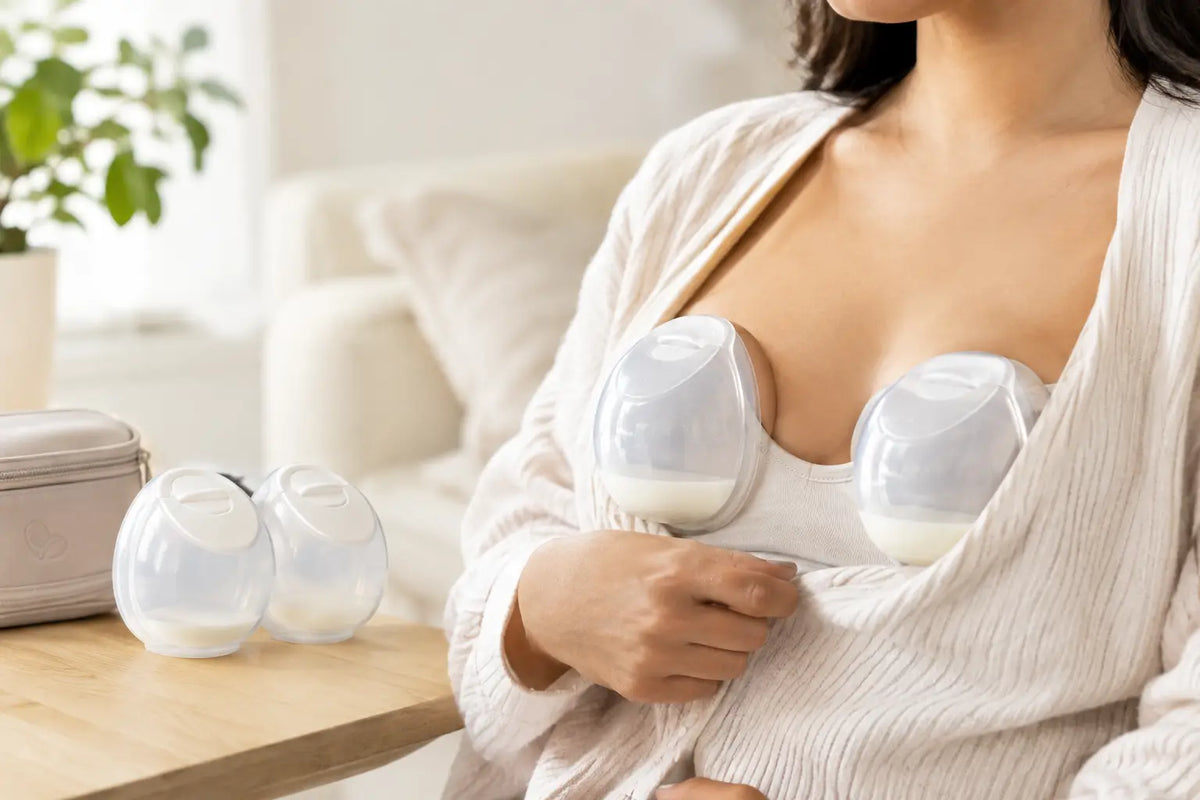
That little damp patch on your nursing bra can feel like one more postpartum inconvenience. Yet for many mothers, leaking milk during a feeding or while pumping is a normal sign of letdown. Learning how to use milk collectors can help you catch that milk comfortably instead of letting it soak into a nursing pad. Because every drop counts, but so does your comfort, your hygiene, and your peace of mind.
Milk collectors are simple tools, but using them well takes more than placing one inside your bra. The best routine is gentle, clean, and realistic for your day.
What milk collectors are designed to do
A milk collector is a passive device worn over one breast to catch milk that leaks or flows during letdown. Many mothers wear one on the side opposite the breast their baby is feeding from, while others use it when they notice occasional leaking between feeds. Wearable collectors sit inside the bra and catch milk without suction. Silicone suction-style collectors may lightly adhere to the breast, which can create a small amount of suction.
This distinction matters. A collector is primarily for catching milk that is already flowing. It is not a replacement for a breast pump when you need to actively remove milk. If you are trying to build or protect supply, manage missed feedings, or relieve significant fullness, a lactation professional can help you decide whether pumping, hand expression, or simple collection is most appropriate.
For some mothers, a collector is a lovely daily extra. For others, it may yield only a few drops. Both are completely normal. Your body is not a measuring cup, mama.
How to use milk collectors step by step
Before the first use, wash your hands and clean the collector according to its care instructions. Make sure it is fully dry, especially around any edges, valves, or pouring spout where moisture can linger.
1. Choose the right moment. A collector is often most useful during a feeding, on the breast that is not being fed from. It can also be worn briefly when you know you tend to leak, such as during a morning letdown. Avoid wearing it for long stretches simply to see whether milk appears.
2. Center it gently over the nipple. If you are using a wearable collector, place it comfortably inside a supportive nursing bra. It should sit securely without digging into breast tissue. If you are using a suction-style collector, create only the light seal recommended by the manufacturer. Strong suction is not necessary for catching a natural letdown.
3. Keep an eye on comfort and fullness. Stop using the collector if you feel pain, pinching, pressure, or a pulling sensation. If milk begins to pool, remove the collector carefully before it overfills or spills. A collector that is too full can leak back onto your skin and clothing.
4. Transfer the milk promptly. With clean hands, pour the collected milk into a clean, food-safe storage container with a secure lid. Label it with the date and time if you plan to refrigerate or freeze it. Try not to leave collected milk sitting warm in the collector after use.
5. Clean it after every use. Empty any remaining milk, rinse away residue, and wash as directed by the manufacturer. Let all parts air-dry completely before reassembling or storing them.
A calm, repeatable routine is more useful than trying to collect a certain amount. Some sessions will bring more milk than others, particularly in the early morning or when your letdown is strong.
Getting the fit right inside your bra
A collector should feel discreet, not restrictive. Choose a bra with enough room to hold it without compressing your breast. If the bra is too tight, the collector can press into delicate postpartum tissue, shift out of place, or cause discomfort.
Check that the nipple sits naturally in the center of the opening rather than rubbing against an edge. If you notice red marks that do not fade quickly, soreness, or a deep indentation in the breast, take a break and reassess the fit. Pressure on the breast is not something to push through.
If you are wearing reusable nursing pads as well, do not layer so much material that the collector becomes unstable. On days when leakage is light, a soft nursing pad may be the more comfortable choice.
When collected milk is safe to save
Milk handling deserves the same care as collection. Start with clean hands and a clean collector, then transfer the milk as soon as you can after use. Follow current storage guidance from your healthcare provider or trusted local health authority, particularly if your baby was born early or has medical needs.
There are a few situations where saving the milk may not be the best choice. If the collector has been worn for a long time against warm skin, if the milk has come into contact with sweat, cream, or other residue, or if you are unsure how clean the collector was, it is safer to discard it. This is not wasted effort. You are learning what works for your body and protecting your baby's wellbeing.
Avoid mixing milk from different collection times unless both portions have been handled and cooled appropriately. If you are unsure, store them separately first. A little organization now can remove a lot of second-guessing later.
When a milk collector may not be the right tool
Milk collectors are helpful, but they are not essential for every breastfeeding journey. If you rarely leak, there may simply be little to collect. That does not mean your supply is low, and it does not mean you are doing anything wrong.
You may also want to use a collector cautiously if you are dealing with oversupply, recurrent plugged ducts, breast pain, or an especially sensitive letdown. Suction-style collectors can stimulate additional milk flow in some mothers. While that may feel useful at first, frequent extra stimulation can sometimes contribute to more fullness than you want. It depends on your body, your feeding pattern, and the type of collector you use.
If you experience persistent breast pain, fever, a tender lump, nipple damage, or concerns about supply, pause the collector routine and seek support from a qualified lactation consultant or healthcare professional. A small adjustment in fit, timing, or milk-removal routine can make a meaningful difference.
Small habits that make collection easier
Keep your collector in a clean, dry pouch when you are away from home, and pack a spare nursing pad in case you decide a collector feels like too much that day. A folded cloth can be useful for wiping the outside of the collector before transferring milk, but it should not replace proper washing.
It also helps to release any suction slowly. Rather than pulling a silicone collector straight away from the breast, gently break the seal at the edge first. This protects sensitive skin and reduces the chance of spilling what you have collected.
Most of all, let the tool serve you. You do not need to wear a collector at every feed, track every milliliter, or turn your breastfeeding relationship into a production schedule. Use it when it adds comfort or helps you save naturally leaked milk, and leave it aside when your body asks for simplicity.
Your breastfeeding days may hold plenty of moments that feel messy, tender, and unexpectedly beautiful. A milk collector is just one small support in that rhythm. Trust your comfort, ask for expert guidance when something does not feel right, and remember: you are doing amazing, mama.


