

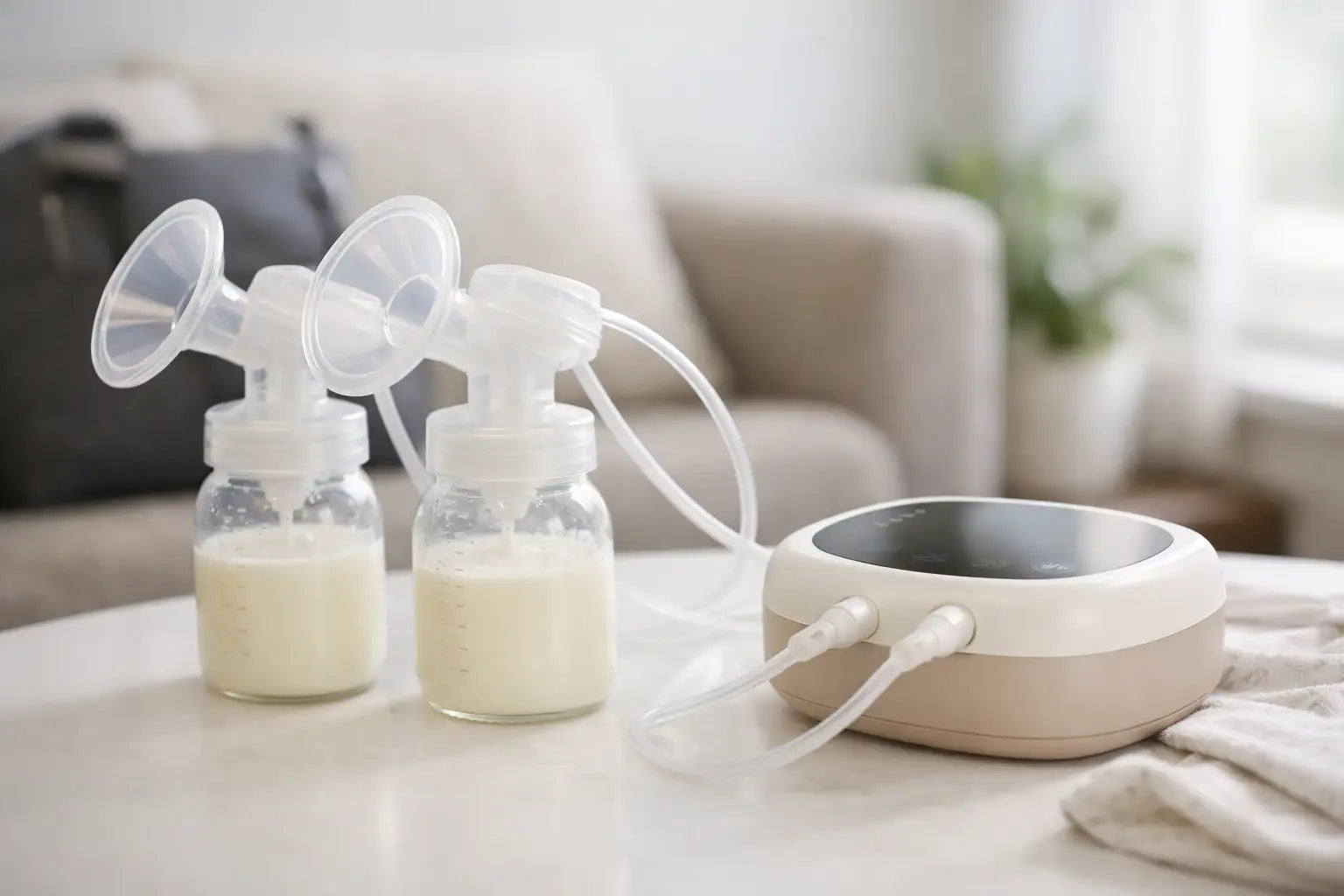
The moment you finish a pumping session and look down at the bottle with that sinking feeling - yes, that one - it can stir up worry fast. If you are searching for how to increase milk supply pumping, the first thing to hear is this: low output in one session does not always mean low supply. Your body is responsive, not mechanical, and pumping results can change from day to day.
For many mothers, the real goal is not producing more overnight. It is helping the body get a clearer message to keep making milk, while also making pumping more comfortable, effective, and less stressful. Because every drop counts, and so does your peace of mind.
How to increase milk supply pumping starts with demand
Milk production works on a simple principle: the more milk that is removed effectively, the more your body is encouraged to make. When pumping output drops, it is often less about your body failing and more about the signal being too weak, too infrequent, or interrupted by issues like poor flange fit, skipped sessions, stress, or fatigue.
This is why frequency usually matters more than the length of one single session. Pumping once for 40 minutes is often less helpful than pumping more often throughout the day. In the early weeks especially, your body is learning what your baby needs. Consistent removal helps establish that pattern.
If you are exclusively pumping or trying to build supply, many lactation consultants recommend aiming for 8 to 10 sessions in 24 hours, including at least one session overnight when prolactin levels are naturally higher. If that feels overwhelming, start by adding one extra session a day and building from there. Small, steady changes tend to work better than drastic routines you cannot sustain.
Check whether your pump is working for you
Not all low pumping output is a supply issue. Sometimes it is a transfer issue. In other words, milk is there, but the pump is not removing it efficiently.
Flange size is one of the most overlooked reasons mothers struggle. A flange that is too large or too small can reduce output, cause nipple pain, and leave the breast less drained after each session. If pumping feels pinchy, rubs badly, or your nipple pulls in too much tissue, the fit may need adjusting. The right flange insert can make a remarkable difference in both comfort and milk removal.
Suction settings matter too. Stronger is not always better. Very high suction can cause swelling and discomfort, which may actually make letdown harder. A comfortable, effective setting is the goal. You want steady milk flow, not pain you are forcing yourself through.
Pump parts also wear down over time. Valves, membranes, and other small components can lose effectiveness gradually, so output may fall without any obvious reason. If your routine has not changed but your pumping results have, it may be time to inspect your parts closely.
Use your schedule to support supply, not fight it
If you want to know how to increase milk supply pumping in a practical way, look at your routine before you look for supplements. The pattern of your day often tells the story.
Long gaps between sessions can signal the body to slow production. This is especially common when mothers are recovering postpartum, caring for older children, or returning to work and trying to fit pumping around everything else. Missing one session does not ruin supply, but repeated long gaps can gradually affect output.
Try to pump at regular intervals rather than waiting until you feel very full. Full breasts are not always a good sign when supply is a concern. When milk sits too long, the body can interpret that as a cue to make less.
Power pumping can also help in some cases. This technique copies a cluster-style feeding pattern by adding short pumping bursts over about an hour. A common method is 20 minutes pumping, 10 minutes rest, 10 minutes pumping, 10 minutes rest, then 10 minutes pumping. It does not work like magic in one day, but when used consistently for a few days, it may help increase demand signals.
That said, power pumping is not necessary for everyone. If you are already exhausted, skipping meals, and barely resting, adding more pumping without support may leave you more depleted. It depends on the reason behind the drop.
Support letdown before and during pumping
Milk supply is not only about production. It is also about release. A healthy supply can look low at the pump if letdown is slow or inconsistent.
Warmth often helps. Applying gentle heat to the breasts before pumping can encourage milk flow and ease tension. Some mothers also respond well to light breast massage or compressions during the session, especially when the flow starts to slow. This can help empty the breast more thoroughly.
Your environment matters more than people realize. Rushing, multitasking, or pumping while tense can interfere with letdown. If possible, create a few minutes of calm before you start. Sit comfortably, take a few slow breaths, and let your shoulders drop. These small rituals are not indulgent. They can support the hormonal response pumping depends on.
Hydration and nourishment matter too, but this is where nuance is important. Drinking gallons of water will not force your body to make more milk. Still, being underhydrated, skipping meals, or going long stretches without enough calories can make pumping feel harder and recovery slower. Aim for consistent fluids, regular meals, and foods that leave you feeling steady rather than drained.
When low output is really about exhaustion
Many mothers assume they need a better strategy when what they really need is more support. Sleep deprivation, pain, stress, postpartum healing, and doing too much too soon can all affect pumping.
The body is not separate from the mother living inside it. If you are running on very little rest, carrying anxiety about every ounce, or pushing through nipple pain at every session, that strain can show up in your output. It is not a lack of effort. It is a sign your body may need gentler conditions to do this work.
This is why comfort-focused tools can make a practical difference, not just a cosmetic one. Proper flange sizing, soothing nipple care, cooling or warming therapy, and a pump that feels manageable in daily life can reduce friction around every session. When pumping hurts less and fits your real routine better, consistency becomes easier.
How to tell whether pumping output is truly low
Pumping ounces are not the whole picture. Some mothers respond beautifully to a pump and collect a lot quickly. Others have a healthy supply but do not pump large volumes, even with a good routine. Storage capacity, time of day, stress level, and how recently milk was removed all affect what you see.
Morning sessions are often higher. Evening sessions may look smaller. That does not automatically mean supply is dropping. What matters is the overall pattern across several days, not one discouraging session.
If output has decreased suddenly, ask a few questions. Have you replaced pump parts recently? Are you pumping less often? Has your menstrual cycle returned? Have you been more stressed, sick, or sleep deprived? Has nipple pain changed the way you pump? Usually, there is a reason, and finding it is more helpful than blaming yourself.
When to get expert help
Sometimes the fastest way to increase supply is to stop guessing. If you have ongoing low output, pain with pumping, recurring clogged ducts, nipple damage, or a sudden drop that does not improve with routine changes, a lactation consultant can help assess what is actually happening.
You may need a flange refit, a better pumping plan, help with milk removal, or support for an underlying issue such as retained milk, hormonal changes, or postpartum recovery concerns. Personalized guidance matters here because not every low-supply plan fits every mother.
At Noora Motherhood, this kind of support is treated with the care it deserves - practical, expert-led, and centered on the mother, not just the pump.
Gentle ways to increase milk supply while pumping
If you are trying to improve output, focus first on the basics that give the best return. Pump more consistently, make sure your flange fit is correct, use comfortable suction, replace worn parts, and support letdown with warmth and massage. Add power pumping only if it feels realistic. Protect your rest, eat regularly, and do not ignore pain.
Most of all, give changes a little time. Milk supply often responds over several days, not several hours. That can be hard when you want reassurance right now, but slow improvement is still improvement.
You are doing amazing, mama. Pumping asks a lot of your body and heart, and needing support does not mean you are doing it wrong. Sometimes the next right step is not pushing harder. It is making the process softer, smarter, and more supported so your body can respond.


