

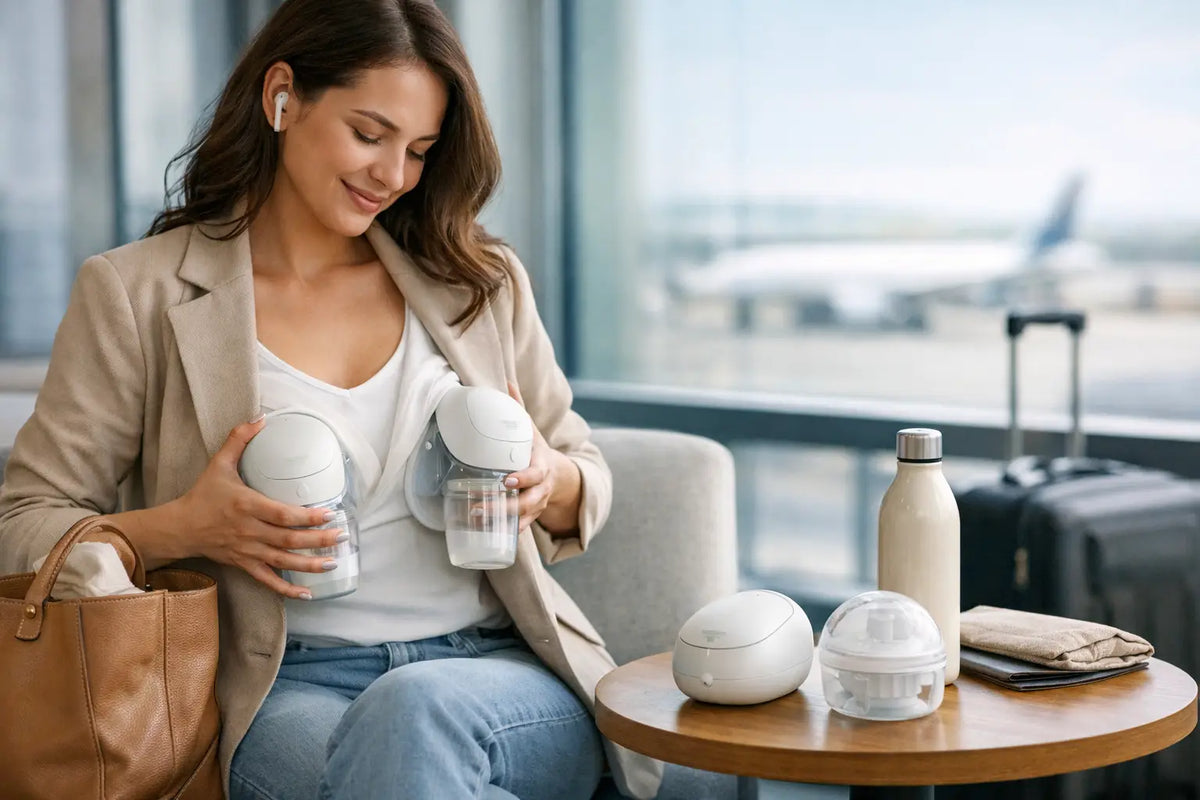
A work meeting that runs long. A family visit across town. An appointment you could not move. This portable pumping guide for moms is for the moments when feeding your baby at the breast is not possible, but protecting your comfort and milk supply still matters. Pumping away from home can feel like one more thing to manage in an already full day. With a calm plan and the right tools, it can become a small, private routine that supports you wherever motherhood takes you.
Start With a Portable Pumping Plan
Portable pumping is not about following a perfect schedule. It is about giving your body consistent milk removal when you are separated from your baby, returning to work, traveling, or simply needing more flexibility. The best rhythm is usually the one that reflects your usual feeding pattern.
Before your first outing, think through three questions: When will you likely need to pump? Where will you have privacy and a power source, if needed? How will you keep expressed milk safely chilled until you are home? Answering these in advance removes much of the mental load.
A double electric portable pump can be especially helpful when time is limited. It allows you to express from both breasts in one session, which may make pumping more efficient for many mothers. Comfort still comes first. A pump that is technically portable but leaves you sore, rushed, or worried about fit will not feel supportive for long.
Build Confidence at Home First
Try your portable setup at home before relying on it outside. Learn how the controls feel, how long your usual session takes, and which settings feel comfortable. Start with a gentle suction level, then adjust only as needed. Higher suction does not automatically mean more milk, and it should never feel painful.
This practice also helps you identify the flange size that feels right. The nipple should move freely in the tunnel without excessive rubbing, pinching, or pulling in too much surrounding breast tissue. If pumping is painful or your output changes unexpectedly, flange fit is one of the first details worth reviewing. Flange inserts can offer a more personalized fit when the standard size is not quite right.
What to Pack for Pumping Away From Home
Your bag does not need to become a traveling nursery. It simply needs to hold the essentials in a clean, organized way. Keep your pump, charged battery or charging cable, clean pump parts, storage containers, an insulated cooler bag with frozen ice packs, and a clean hand towel together in one pouch or compartment.
It is also wise to pack a spare breast pad and an extra top if leaks are a concern. Reusable bamboo nursing pads can feel softer during long days, while wearable milk collectors may be useful for catching letdown on the opposite side during a pumping session. These small details can make you feel far more at ease when you are out.
For comfort, consider what your body needs before and after pumping. Cooling pads may soothe tender breasts, while hot and cold therapy pads can be helpful when warmth feels comforting before expressing or cool relief feels better afterward. There is no single correct combination. Your postpartum body deserves a response that is attentive, not forceful.
Choose a Pumping Space That Feels Safe
Privacy is practical, not a luxury. Look for a clean, calm place where you can sit comfortably and relax your shoulders. A dedicated wellness room is wonderful, but a private office, a quiet guest room, or a clean parked car can work when options are limited. If you are in a shared setting, let someone know you need a short break without feeling obligated to overexplain.
Stress does not erase your milk supply, but feeling rushed or exposed can make milk flow harder in the moment. Give yourself a few extra minutes if you can. Take slow breaths, look at a photo or video of your baby if that helps you feel connected, and focus on comfort rather than watching every drop.
A hands-free pumping bra can be useful when you need to answer an email or eat a snack, but it should hold the flanges securely without pressing too tightly on your breasts. If your day allows it, use the session as a true pause. You are not stepping away from your responsibilities. You are caring for your body and your baby.
A Portable Pumping Guide for Moms Who Work
Returning to work often brings a mix of pride, worry, and logistical questions. Your pumping schedule may need to fit around meetings, commuting, and changing workloads, but regular breaks are still a reasonable health need. Block pumping time on your calendar where possible, including a few minutes to set up and clean up.
Many mothers find it helpful to pump around the times their baby would usually feed. Yet real workdays are not always predictable. If a session shifts by a little, do not panic. Resume your usual rhythm when you can. If skipped or shortened sessions become frequent and you notice discomfort, persistent fullness, or a drop in supply, a lactation professional can help you make a plan that fits your actual life.
Keep communication simple and confident. You can say, “I have a scheduled pumping break and will be back at [time].” You do not need to apologize for it. A supportive routine is easier to maintain when it is treated as a normal part of your day.
Handle Expressed Milk With Care
Good milk handling begins with clean hands. Wash your hands before pumping and before touching clean parts or storage containers. Use containers intended for human milk, label them with the date, and place them in your cooler promptly after expressing.
For a typical healthy, full-term baby, freshly expressed milk can generally stay at room temperature for up to four hours, though cooler conditions are preferable. In an insulated cooler with ice packs, it can generally be kept for up to 24 hours. Once you are home, transfer it to the refrigerator or freezer according to your plan. Storage guidance can differ for premature babies or babies with medical needs, so follow the advice of your baby's care team in those circumstances.
If you combine milk from different pumping sessions, cool the freshly expressed milk before adding it to milk that is already chilled. Label the container using the date of the oldest milk. These small habits protect quality and make the next step of your day feel less confusing.
Keep Pump Parts Clean Without Creating More Work
After each session, separate the parts that came into contact with milk and follow your pump manufacturer's cleaning instructions. Washing with soap and water and allowing the pieces to air-dry fully is often the most reliable approach when you have access to a sink.
When you are out, store used parts in a clean, sealed bag or container until you can wash them properly. Cleaning wipes made for pump parts can be useful for certain situations, but they are not always a replacement for thorough washing. If your baby was born prematurely, is medically fragile, or is under two months old, use extra care and follow guidance from your health professional on sanitizing.
At the end of the day, check valves, membranes, and seals for wear. Small parts can affect suction more than mothers realize. Replacing worn pieces on schedule is a practical act of care, not an unnecessary extra.
Listen to Your Body, Not Just the Clock
A portable pump should support your life, not ask you to ignore discomfort. Stop and reassess if you experience sharp pain, bleeding, persistent nipple damage, fever, flu-like symptoms, or a red, hot area on the breast. Seek prompt medical advice for fever or symptoms that make you feel unwell.
For ongoing tenderness, nipple shields, silver nipple covers, and cooling care may offer comfort in the right circumstances, but the cause matters. Sometimes the issue is flange fit, pumping settings, a change in feeding patterns, or another concern that deserves one-on-one support. Dr. Soulaf Mansour and the Noora Motherhood approach begin with that truth: mothers deserve guidance that sees the whole picture, not just the pump.
You do not need to carry every detail perfectly. Charge your pump, pack your essentials, give yourself a protected moment, and trust that practice will make the routine easier. You are doing amazing, mama - and every drop you express is part of the care you are giving.


