

Pumping may take time, energy, and patience, but it should not feel painful. If you are asking, why does pumping hurt, please know that discomfort is not something you simply have to endure. Pain is often your body’s way of asking for an adjustment, gentler care, or experienced support. You are doing amazing, mama, and you deserve a pumping routine that feels more comfortable.
Why Does Pumping Hurt? Start With the Fit
The most common reason for pumping pain is a flange that does not fit your nipple well. The flange is the funnel-shaped part that sits against your breast. When it is too small, too large, or not centered, it can create friction, pull in too much surrounding tissue, and make each session feel sore.
A flange that is too small may cause your nipple to rub against the tunnel walls, appear compressed, or turn white after pumping. A flange that is too large can draw in a lot of areola, cause swelling, and leave the breast feeling tender. Neither issue means you have done anything wrong. Breast and nipple size can also change during the postpartum months, so a size that initially felt fine may no longer be the best fit.
Before turning on your pump, center your nipple in the flange tunnel. During pumping, the nipple should move freely without scraping the sides, and only a small amount of areola should be pulled in. A little movement is normal. Pinching, rubbing, blanching, or sharp pulling are signs to pause and reassess.
Flange inserts can be especially helpful when the standard flange size feels too roomy. The goal is not to make the fit tight. It is to create a gentle, supported seal that lets your nipple move comfortably.
Stronger Suction Is Not Better Suction
When milk is slow to flow, it is tempting to increase the suction. Yet more intensity does not always mean better milk removal. If the setting causes pain, your body may tense up, making milk flow harder rather than easier.
Begin at a low, comfortable setting and increase gradually only if it still feels pleasant. Think of pumping as a rhythm your body can relax into, not a test of how much intensity you can tolerate. A comfortable setting that supports regular milk removal is usually more useful than an overly strong one that leaves you sore.
If pumping becomes painful halfway through a session, turn the suction down or stop for a moment. Check your nipple placement and give the skin a chance to recover. Persistent pain is not a sign that you need to push through.
Check the Parts, Not Just the Settings
Worn or poorly assembled pump parts can change how suction feels. A valve, membrane, or seal that is damaged, stretched, or not sitting correctly may make the pull feel uneven. Moisture or milk residue around the flange can also affect the seal and increase rubbing.
Take a moment to inspect and clean parts according to the manufacturer’s instructions. If something looks warped, cracked, or loose, replace it. With a portable pump, be sure it is positioned securely and supported properly, since shifting during a session can create friction even when the flange size itself is right.
Sore or Damaged Nipples Can Make Pumping Painful
Tender nipples are common in the early days of breastfeeding, particularly when you are pumping frequently, learning what settings work for you, or healing from an earlier irritation. But cracked, bleeding, blistered, or intensely raw nipples need attention. Pumping over already damaged skin can make pain feel much stronger.
A few gentle habits can help protect healing skin. Keep the flange clean and dry, avoid harsh soaps directly on the nipple, and use a setting that does not cause rubbing. After a session, air-dry when possible and choose soft, breathable nursing pads that do not trap moisture against the skin. If fabric sticks to a tender nipple, dampen it first before removing it rather than pulling it away quickly.
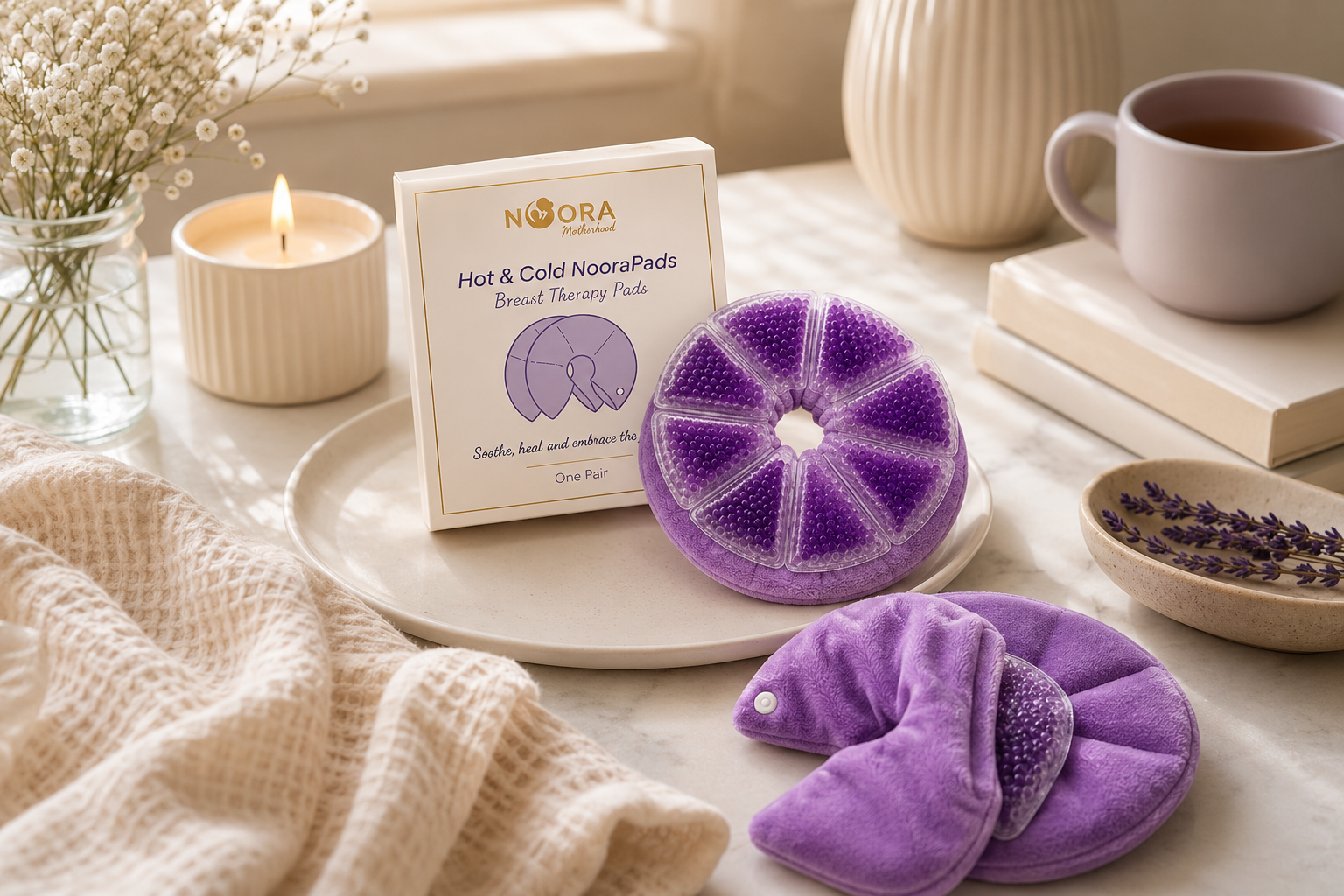
Cooling pads can bring soothing relief after a session, while hot and cold therapy pads may be useful at different moments in your routine. Gentle warmth before pumping can help you relax and encourage milk flow. Cooling afterward can calm swelling and tenderness. Use temperatures that feel soothing, never extreme, and keep a fabric layer between your skin and the pad.
Silver nipple covers may also help protect sore nipples from fabric friction between sessions. They are not a substitute for correcting the source of pain, but shielding sensitive skin can make recovery feel more manageable.
Breast Fullness, Clogs, and Swelling Matter Too
Pain may be coming from the breast rather than the nipple. When your breasts are very full, swollen, or firm, a flange can feel uncomfortable against the skin and milk may not flow as easily. A tender, localized area can also make the pulling sensation feel sharper.
Before pumping, try a few minutes of gentle warmth and light massage around the breast. Avoid deep or forceful massage, which can worsen inflamed tissue. During the session, use only gentle hand support if it feels good. Afterward, cooling can help settle swelling.
If you notice a hard area that does not improve, increasing redness, fever, chills, body aches, or flu-like symptoms, contact your healthcare professional promptly. These signs need timely assessment. The same is true if you have a burning pain, shiny or itchy nipple skin, or pain that continues after pumping ends, as an infection or skin condition may need treatment.
When Pain Happens Only on One Side
It is completely possible for one breast to need a different flange size or suction setting than the other. Bodies are not perfectly symmetrical, and your pumping routine should not force them to be.
If one side hurts while the other feels comfortable, compare what you see. Is the nipple centered? Does it swell more on that side? Is it rubbing the tunnel wall? Does the breast feel unusually full, tender, or lumpy? These clues can help you and a lactation consultant identify whether the issue is fit, swelling, tissue sensitivity, or something else.
Do not assume discomfort on one side is normal just because the other side is working well. Each breast deserves its own comfortable fit.
A Gentle Reset for Your Next Pumping Session
If your last session hurt, give yourself permission to reset rather than repeat the same experience. Start with clean, correctly assembled parts. Use a flange size that allows free nipple movement, center yourself carefully, and begin with low suction. Stay aware of how your body feels in the first minute, when small adjustments are easiest to make.
It can also help to create a calmer environment. Sit with your shoulders supported, take slow breaths, and use warmth beforehand if fullness makes you uncomfortable. Stress does not cause pumping pain on its own, but bracing against pain can make the experience feel more difficult. Comfort is practical care, not an extra.
Noora Motherhood was created around this truth: mothers deserve expert-led support alongside thoughtfully designed tools. If fit adjustments and gentler settings do not help, a lactation consultant can observe your pumping setup and offer personalized guidance. That one-to-one support can be especially valuable when pain has made pumping feel overwhelming.
When to Seek Professional Help
Reach out to a lactation consultant or healthcare professional if pain is severe, recurring, or not improving after you adjust fit and suction. Seek care sooner if you have cracked or bleeding nipples, fever, spreading redness, a painful breast lump, unusual discharge, or symptoms that make you feel unwell.
You do not need to wait until pain becomes unbearable to ask for help. A comfortable pumping routine is possible, and often begins with one small change: a better fit, a softer setting, protected skin, or the reassurance of someone who knows exactly what to look for. Because every drop counts, and so does your comfort.


