

The first time you unpack a breast pump, it can feel like there is a clock ticking. You may be wondering, when should I start pumping - before birth, in the first few days, or only when you need to be away from your baby? The reassuring answer is that there is no single “right” day. The best timing depends on your recovery, your baby’s feeding and growth, your milk supply, and what you hope pumping will support.
You do not need to create a large milk supply immediately to be doing a beautiful job. In the early weeks, rest, skin-to-skin closeness, frequent nursing, and getting help when something feels difficult can matter far more than a perfect pumping schedule. You are doing amazing, mama.
When Should I Start Pumping? It Depends on Your Situation
For many mothers, there are three broad moments to think about: before birth, during the first days after birth, and once feeding feels more established. Each has a different purpose.
Before birth: prepare, but do not feel pressured to express
Pregnancy can be a lovely time to learn how your pump works, understand flange sizing, and set up a comfortable pumping space. Reading the instructions and knowing where your parts are can make those first postpartum days feel less overwhelming.
Expressing colostrum before birth is a separate decision. Some care teams may recommend antenatal colostrum collection in specific circumstances, while others may advise waiting. It is not appropriate for everyone, particularly if you have been told you are at risk for preterm labor or have pregnancy complications. Always ask your obstetric provider or lactation consultant before trying it.
The first days after birth: pump when there is a reason
If feeding is going smoothly and you and your baby are together, you may not need to pump right away. Your body is learning the rhythm of milk production, and frequent nursing is often enough to guide that process.
There are times, however, when pumping in the first hours or days can be genuinely helpful. If you are separated from your baby, your baby is unable to nurse effectively, feeds are painful, or there are concerns about milk transfer or weight gain, expressing milk can help protect your supply while you get skilled support. In these situations, early guidance matters. A lactation consultant can help you decide how often to pump and check that your equipment fits comfortably.
Pumping should not feel like a test you have to pass. It is simply one tool for supporting your feeding journey when it serves you.
Around two to four weeks: a gentle time to begin for many mothers
For mothers whose feeding is comfortable, baby is growing well, and supply feels settled, the two- to four-week window can be a calm time to introduce occasional pumping. This is often useful if you would like some flexibility later or expect to return to work.
A simple approach may be to pump once a day after a morning nursing session, when many mothers notice they have a little more milk available. Start gently. You do not need long, exhausting sessions or a freezer full of milk to be prepared. A small amount collected consistently can add up over time.
That said, some mothers are ready earlier and some much later. If your breasts feel persistently overfull, you have a history of oversupply, or pumping leaves you uncomfortable, a personalized plan is wiser than following a general timeline.
Start With Your Goal, Not Someone Else’s Schedule
Your reason for pumping shapes the best routine. A mother building a modest reserve before returning to work needs a different plan from a mother whose baby is temporarily unable to nurse well.
If you are preparing to return to work
Beginning two to three weeks before your return can give you time to become familiar with your pump, find a rhythm, and collect a small reserve without adding unnecessary pressure to your early postpartum life. You can also use this time to practice assembling, cleaning, and storing your pumping parts.
Once you are back at work, the goal is usually to express milk around the times your baby would normally nurse. This helps signal to your body that milk is still needed. Your exact schedule may change with meetings, commute times, and your baby’s age, so aim for a routine that is realistic rather than rigid.
If you need to support milk supply
When milk supply is a concern, timing and frequency can be more important than the style of pump you choose. This is also the moment to look beyond pumping alone. A feeding assessment can identify whether there is a latch issue, ineffective milk transfer, pain, engorgement, or another reason your body is receiving fewer milk-removal signals.
In some cases, a lactation professional may suggest pumping after feeds or at regular intervals for a short period. Follow a plan designed for you, then reassess. More pumping is not always better if it creates pain, swelling, or an oversupply that makes feeding harder.
If you are exclusively pumping
If nursing directly is not part of your current plan or is not possible right now, begin expressing as soon as you can after birth with support from your care team. Early, frequent milk removal helps establish supply in the first weeks. This can be emotionally intense, especially when it was not what you expected. Be gentle with yourself and ask for hands-on help with pump settings, flange fit, and a schedule that protects both your supply and your rest.
Comfort Is Part of Effective Pumping
A pump that feels painful, pinches, or leaves your nipples damaged is not something to push through. Discomfort is often a sign that the flange size, positioning, suction level, or session length needs attention.
Your nipple should move freely in the tunnel with minimal rubbing, and the highest suction setting is not automatically the most effective one. Begin with a comfortable setting and increase only as tolerated. Milk flow is supported by relaxation, warmth, hydration, and feeling safe, not by gritting your teeth through pain.
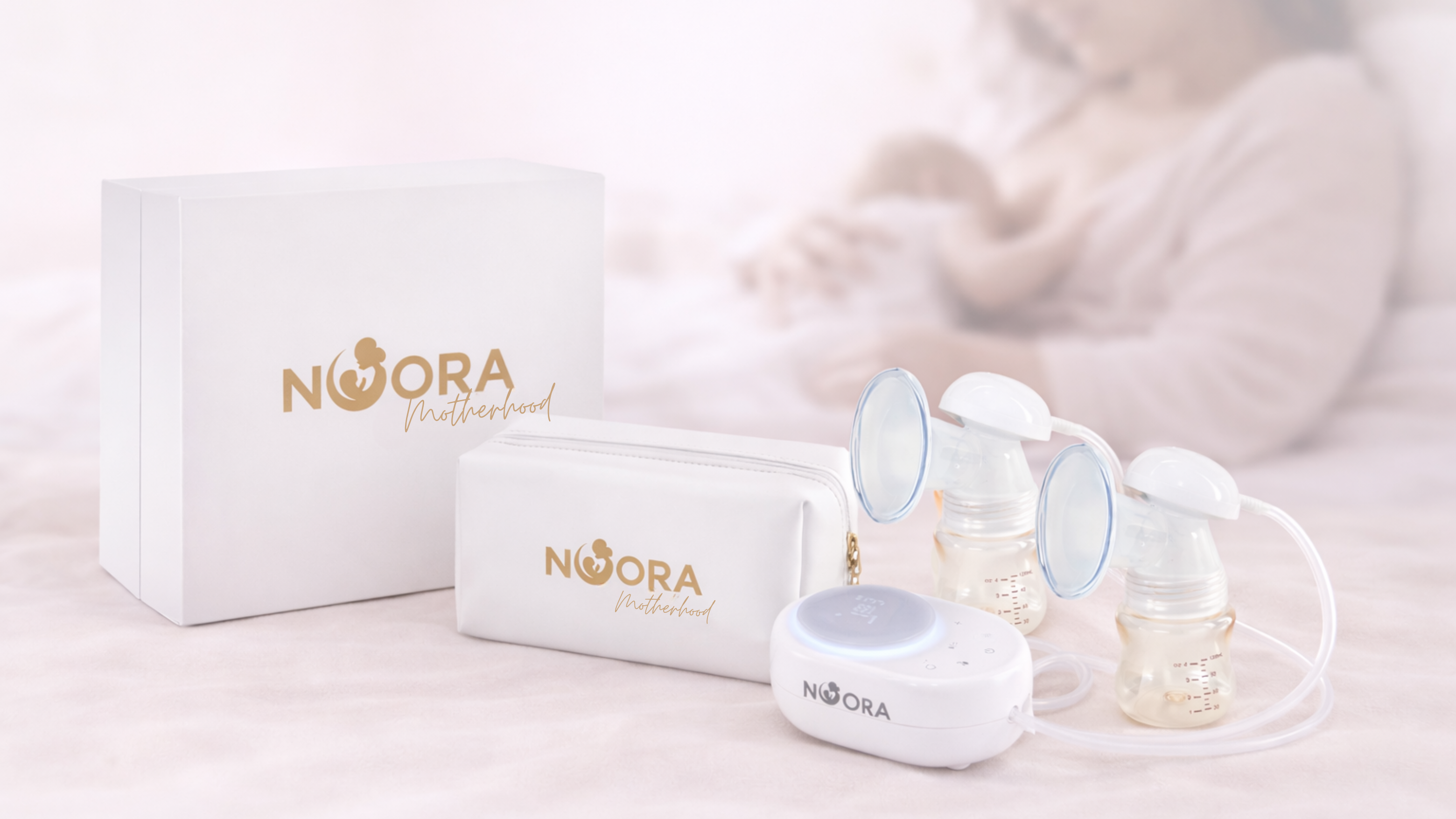
A portable double electric pump, such as the Noora MightyMini, can make regular sessions more manageable when you need flexibility. But convenience should still be paired with proper fit and care. Flange inserts can help create a more personalized fit, while cooling pads or silver nipple covers may bring comfort when tenderness is part of the picture.
Signs You May Need Earlier Support
Do not wait until you feel depleted to ask for help. Reach out to your obstetric provider, pediatric provider, or lactation consultant if you notice ongoing pain with nursing or pumping, cracked or bleeding nipples, fever or flu-like symptoms, persistently low milk output alongside concerns about baby’s growth, or breast fullness that does not improve after feeding or pumping.
These signs do not mean you have failed. They mean you deserve informed care. Early support can often prevent a small concern from becoming a much heavier burden.
Give Yourself Permission to Go Slowly
The question is not only when you should start pumping, but what would make pumping feel sustainable in your real life. For one mother, that may mean waiting until feeding feels established. For another, it may mean starting early with expert support. Both paths can be loving, thoughtful choices.
Let your body, your baby, and your circumstances guide the timeline. Every session does not have to be perfect, and every drop is part of the care you are giving. You deserve a feeding plan that holds you, too.


