

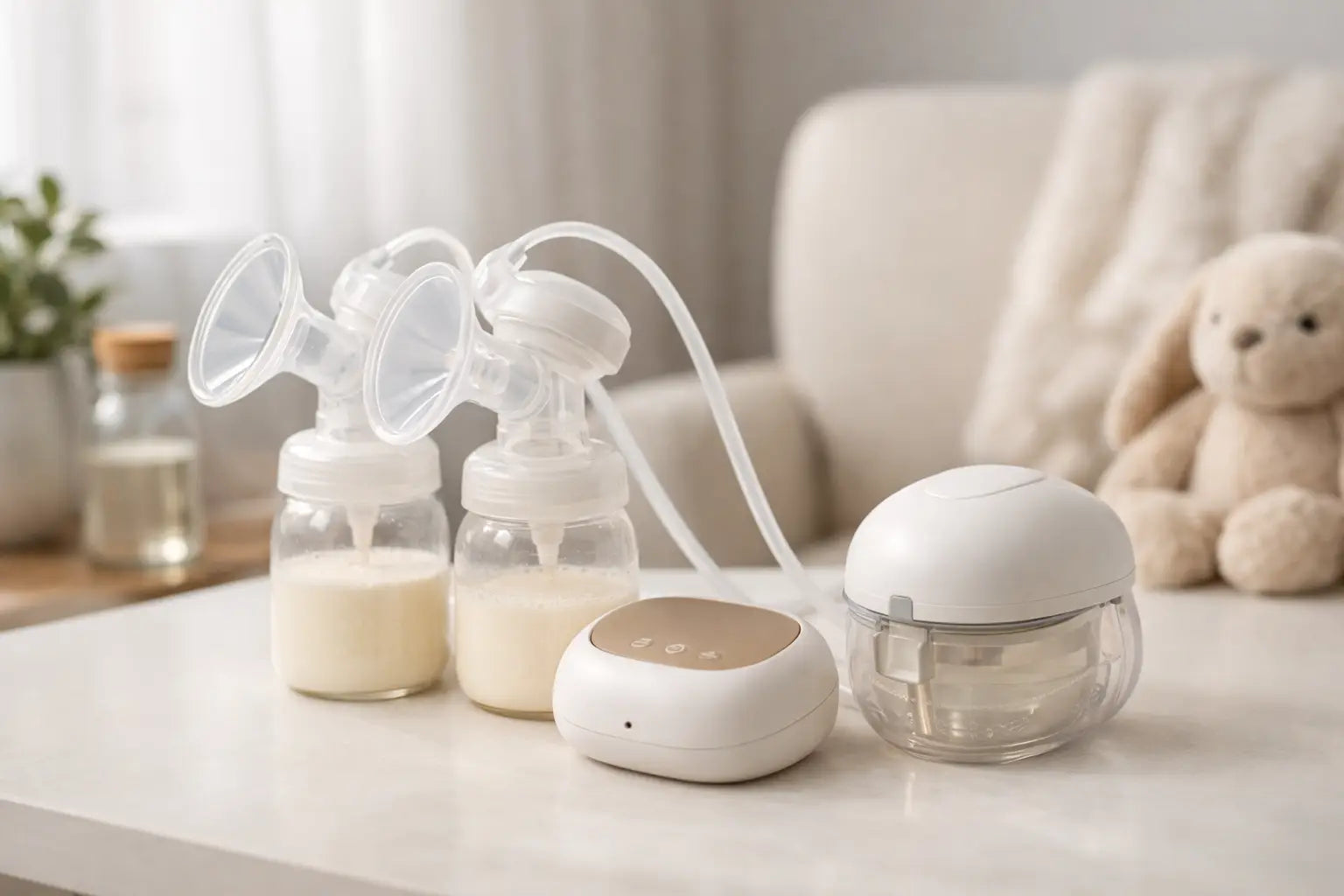
If you are pumping around the clock, the best breast pump for exclusive pumping is not simply the strongest one on the market. It is the one you can live with - day after day, session after session - without dreading the next pump. When a pump becomes part of your daily rhythm, comfort, consistency, and ease matter just as much as output.
Exclusive pumping asks a lot of a mother. You are managing timing, milk supply, cleaning, storage, comfort, and recovery, often while caring for a newborn and functioning on very little sleep. That is why choosing a pump deserves more thought than a quick comparison of features. You are doing amazing, mama, and the right pump should support you with gentleness, not add more strain.
What makes the best breast pump for exclusive pumping?
For occasional pumping, many mothers can get by with a basic device. Exclusive pumping is different. You may be pumping six to eight times a day in the early weeks, and sometimes longer depending on your feeding journey. A pump that feels acceptable once a day can feel exhausting when used this often.
The best breast pump for exclusive pumping usually has a few essential qualities. It should empty the breasts efficiently, feel comfortable on the body, and fit naturally into real life. That means reliable suction, a well-designed flange system, and settings that let you adjust the experience to your comfort level. It also means practical things such as portability, low noise, easy cleaning, and parts that hold up well over time.
This is where many mothers get stuck. They assume low output means they need a stronger pump, when sometimes the real issue is flange fit, poor positioning, or a pumping schedule that needs support. A powerful motor matters, but it is not the whole story.
Start with comfort, not just suction
Many mothers shopping for a pump focus on suction strength first. That makes sense on the surface, but more suction is not always better. If pumping feels painful, pinching, or overly intense, your body may tense up and letdown can become more difficult. Over time, discomfort can also make it harder to stay consistent, and consistency is one of the biggest keys to maintaining supply with exclusive pumping.
A better question is this: can you pump effectively without trauma to the nipple and surrounding tissue? Soft breast shields, the right flange size, and adjustable settings often make a bigger difference than extreme suction alone. If your nipple rubs, swells excessively, or looks blanched after pumping, the setup may need adjusting.
This is one reason expert support matters. Under the guidance of a lactation professional, small changes can make a noticeable difference in comfort and milk removal. Dr. Soulaf Mansour has spent years helping mothers understand that pumping success is rarely about forcing the body. It is about working with it.
Hospital-grade feel versus wearable freedom
One of the biggest decisions is whether you want a more traditional double electric pump or a wearable portable option. For exclusive pumping, both can work well, but they serve different needs.
A traditional double electric pump is often chosen for strong, steady performance and dependable milk removal. Many mothers appreciate this in the early postpartum weeks, especially while building supply or recovering from a challenging start. The trade-off is that some traditional pumps feel bulky, limit movement, and make it harder to pump while caring for your baby or moving around the house.
A wearable or portable double electric pump offers more flexibility. This can be a major relief for mothers who need to pump often and cannot always sit in one place. The best portable designs make exclusive pumping feel more manageable because they reduce friction in your day. You are more likely to stay on schedule when pumping feels less disruptive.
That said, wearable convenience should not come at the expense of performance. Some mothers find wearables ideal for all sessions, while others use them for daytime flexibility and prefer a different setup for certain sessions. It depends on your body, your output, and how responsive you are to that pump style.
Fit changes everything
A pump can be beautifully designed and still feel wrong if the flange size is off. This is one of the most common reasons mothers struggle with pumping pain or disappointing output. The right fit helps your nipple move freely in the tunnel without excess rubbing or pulling in too much surrounding tissue.
It is also worth remembering that size can change over time. Early postpartum swelling may settle, and what felt right in week one may not feel right later. Some mothers also need flange inserts to fine-tune fit rather than relying on standard sizing.
If you are exclusively pumping, do not treat sizing as a one-time task. Reassess if pumping becomes painful, your sessions are taking too long, or output suddenly drops without another clear reason. Tiny adjustments can protect both your comfort and your milk supply.
Daily life matters more than spec sheets
On paper, many pumps look similar. In real life, small design details can decide whether you love a pump or abandon it in frustration.
Think about how often you will be washing parts. A pump with too many hard-to-clean components can feel overwhelming when you are already tired. Noise level also matters more than most people expect. Quiet pumping can make overnight sessions feel less stressful and give you a little more peace.
Battery life matters if you want freedom from a wall outlet. A portable double electric pump is especially helpful for mothers returning to work, caring for older children, or managing pumping while traveling. Weight, cup shape, and how discreetly the pump sits under clothing can also shape your experience.
When choosing the best breast pump for exclusive pumping, it helps to picture an ordinary day rather than an ideal one. Will this pump support you at 2 a.m.? Will it still feel manageable when you are behind on laundry, low on sleep, and trying to fit in one more session? That is the real test.
What to look for if you plan to pump long term
If exclusive pumping may be part of your journey for months, durability becomes more important. You want a pump with consistent motor performance and replacement parts that are easy to keep on hand. Even the best pump needs maintenance, and worn parts can reduce suction over time.
It is also wise to think beyond the pump itself. Mothers who pump frequently often need a small ecosystem of support products to stay comfortable. Flange inserts, milk collectors, nursing pads, nipple care, and hot or cold therapy can make a meaningful difference in your day. Pumping is not just about extraction. It is also about recovery, skin comfort, leak management, and protecting your energy.
A premium pump experience is rarely created by one device alone. It comes from a system that respects the realities of postpartum life.
Signs a pump is right for you
The right pump usually reveals itself through how you feel after a week or two of real use. You are not constantly bracing yourself before sessions. Your nipples are not getting more damaged. Your output feels consistent for your body. Sessions do not drag on endlessly, and you can picture using the pump again tomorrow.
The wrong pump often creates a pattern of dread. You keep increasing suction hoping for better results. You feel sore afterward, or your breasts still feel full. You skip sessions because the process feels too hard. That does not mean you are failing. It means your setup may need changing.
One more gentle truth
There is no single best breast pump for exclusive pumping for every mother. There is only the best one for your body, your routine, and this season of motherhood. Some mothers need maximum mobility. Others need stronger structure and a more traditional pumping setup. Many need both comfort and expert guidance before they can tell what is truly working.
If you are choosing now, look for a pump that respects your time, protects your comfort, and helps you stay consistent without feeling overwhelmed. Because every drop counts, yes - but so does the mother doing the pumping.


