The first weeks of breastfeeding can make a small discomfort feel enormous: a damp nursing bra at 3 a.m., tender nipples before the next feed, or a pumping session that suddenly needs to happen between errands. This breastfeeding accessories buying guide is here to make choosing feel calmer. You do not need every product on the market. You need a few well-chosen essentials that support your body, your routine, and your peace of mind.
Because every mother’s feeding journey looks different, the right accessories are rarely about buying more. They are about solving the challenges you are having right now, while leaving room for your needs to change. You are doing amazing, mama.
Start With Your Real Day-to-Day Needs
Before adding anything to your cart, consider what is taking the most energy. Are you experiencing nipple soreness? Leaks during sleep or outings? Are you pumping regularly, occasionally, or preparing to return to work? Your answers will help you prioritize products that offer genuine relief rather than creating another drawer of unused supplies.
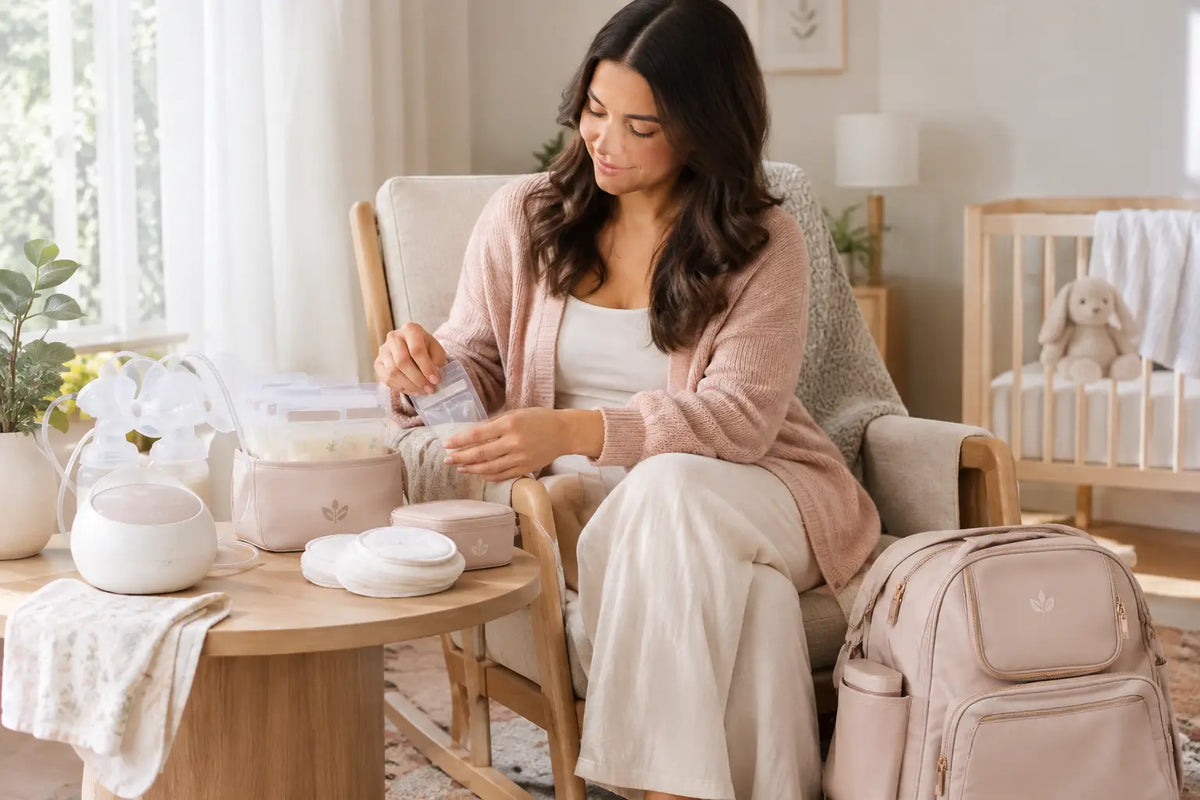
A mother who primarily nurses directly may value healing tools, nursing pads, and discreet milk collectors. A mother who pumps often may need a dependable wearable pump, correctly sized flange inserts, and products that make longer sessions more comfortable. If you are still pregnant, begin with a small, versatile set and add items once you understand your postpartum rhythm.
Comfort and fit deserve more attention than packaging claims. An accessory should feel easy to use when you are tired, not require complicated steps or constant adjusting. Look for soft, skin-considerate materials, clear care instructions, and designs that fit naturally into your day.
Breastfeeding Accessories Buying Guide: The Essentials
A portable pump for flexibility
For mothers who plan to express milk, a portable double electric breast pump can be a meaningful investment. The best choice depends on how often you expect to pump, where you will use it, and how much discretion matters to you. A compact, wearable design can make it easier to keep a pumping routine at home, during travel, or around a busy family schedule.
Look beyond the word “portable.” Consider the pump’s comfort, how easy it is to assemble and clean, the availability of sizing options, and whether the controls feel simple enough for real life. If pumping causes ongoing pain, friction, or a feeling of pulling, pause and reassess the fit and settings. More suction is not automatically better. Comfort and effective milk expression should work together.
Noora Motherhood’s MightyMini portable double electric breast pump is designed around this reality: mothers need capable support that still feels discreet, comfortable, and manageable.
Flange inserts for a more comfortable fit
Flange size is one of the most overlooked parts of pumping comfort. The flange is the piece that sits around the nipple during expression, and a poor fit can contribute to rubbing, swelling, discomfort, or less effective milk removal. Since nipple size can shift during the postpartum period, one fixed size may not work throughout your journey.
Flange inserts allow you to fine-tune the fit within a compatible pump flange. When choosing them, check the sizing guidance carefully and avoid guessing based on clothing size or breast size. The fit relates to the nipple, not the breast. If you are unsure, a lactation consultant can help you assess comfort and movement during a session.
A well-fitted insert should not feel painfully tight, and it should not leave excessive space that pulls in too much surrounding tissue. Small adjustments can make a surprisingly big difference.
Nipple shields for specific feeding challenges
Nipple shields can be helpful in certain situations, including temporary latch difficulties or very sensitive nipples, but they are not a one-size-fits-all solution. The right shield should be soft, appropriately sized, and used with clear guidance on positioning and feeding effectiveness.
If you are considering a nipple shield, it is especially valuable to speak with a lactation professional. The goal is not simply to make a feed feel easier in the moment. It is to understand why feeding is uncomfortable or difficult and make sure both you and your little one are well supported. A shield can be a useful bridge, but it works best as part of a thoughtful plan.
Cooling and hot-and-cold therapy pads
Breastfeeding can ask a lot of your body. Cooling pads can offer welcome relief for tenderness, swelling, or the warmth that sometimes comes with early postpartum changes. Hot-and-cold therapy pads add versatility: gentle warmth before a session may encourage comfort and milk flow, while cold therapy afterward can soothe soreness.
Choose pads with a flexible shape that rests comfortably against the breast and materials that feel gentle against sensitive skin. Follow the temperature and time instructions closely. Therapy should feel soothing, never intensely hot or painfully cold. If you notice persistent redness, fever, worsening pain, or flu-like symptoms, contact your health care provider promptly.
Silver nipple covers for tender days
When nipples are cracked, irritated, or simply feeling overworked, silver nipple covers can create a protected environment between feeds. They are designed to sit over the nipple inside your bra, helping reduce fabric friction while supporting the skin’s natural recovery.
Fit matters here too. Covers should sit comfortably without pressing hard into the breast. Keep them clean according to the manufacturer’s instructions, and remember that persistent pain deserves attention. Pain is not a requirement of breastfeeding, and you do not have to quietly push through it.
Reusable nursing pads for everyday confidence
Leaks are common, particularly in the early months, and nursing pads can make clothing feel more comfortable and protected. Reusable bamboo nursing pads are a lovely option for mothers who prefer a soft, breathable layer and want fewer disposable items in their routine.
Absorbency, breathability, and shape are the practical details to compare. Choose pads that stay in place and do not feel bulky under clothing. It helps to have enough pairs to rotate through laundry without stress. Change damp pads promptly to keep skin dry and comfortable.
Milk and colostrum collectors for saving every drop
Wearable milk collectors can catch milk that naturally releases from the opposite breast during a feed or whenever leaking occurs. They can be particularly helpful when you want to avoid waste without relying on bulky accessories. Look for a design that fits securely in your bra, is easy to empty, and feels comfortable against the skin.
Colostrum collectors serve a more specific purpose. Colostrum is often expressed in very small amounts before and shortly after birth, so a collector designed for tiny volumes can make handling and storing those precious drops more manageable. If you plan to express antenatally, always check with your maternity care provider first. It is not appropriate for every pregnancy.
Choose Quality Over a Long Checklist
Premium accessories should earn their place in your routine. A lower-priced item is not a saving if it irritates your skin, leaks, feels difficult to clean, or is abandoned after one use. At the same time, the most expensive option is not always the right one. Think in terms of usefulness: Will this solve a problem I have? Will I realistically use it often? Does it support comfort, hygiene, or confidence?
When comparing options, prioritize body-safe materials, easy cleaning, clear instructions, and sizing support. If a product touches your skin or collects milk, thoughtful design and care guidance matter. Reusable pieces should be durable enough for regular washing. Therapy products should have straightforward safety instructions. Pump accessories should be compatible with your existing equipment.
It can also help to buy in stages. Begin with the essentials most likely to support your early postpartum days, then add according to your experience. This approach is kinder to your budget and gives you space to choose based on your body rather than someone else’s checklist.
Let Expert Support Be Part of the Purchase
The best accessory cannot replace skilled, compassionate guidance when something does not feel right. Seek lactation support if you have persistent pain, recurring nipple damage, concerns about milk supply, uncertainty around pumping output, or a feeding routine that leaves you overwhelmed. Early support can often prevent a small issue from becoming a much harder one.
Your breastfeeding tools should feel like quiet helpers, not another standard you have to meet. Choose the pieces that bring relief, protect your comfort, and give you a little more breathing room. One well-supported feed, one comfortable pumping session, one saved drop at a time - that is enough.


