A sudden letdown during a meeting, a damp spot on your favorite sleep shirt, or the worry of leaking through your bra can make an already tender postpartum day feel much bigger. The best nursing pads for leaks do more than protect your clothes. They help you move through feeding, pumping, resting, and leaving the house with one less thing to manage.
Leaking is common, especially in the early weeks while your milk supply is still finding its rhythm. It can happen when you hear your little one cry, when one breast releases milk while the other is being fed from, or simply when it has been a while since the last feeding or pumping session. It is not a sign that you are doing anything wrong, mama. It is your body responding to a real and demanding season.
What makes the best nursing pads for leaks?
The right nursing pad is a balance of absorbency, comfort, breathability, and a shape that stays where you need it. The most absorbent option is not always the best choice if it feels stiff, holds moisture against your skin, or creates a noticeable outline under clothing.
Start with the level of leaking you are managing. Light, occasional leaks may only require a slim pad for confidence between feeds. If you wake with damp bedding or need to change your pad frequently, look for thicker absorbent layers and a design that distributes moisture instead of allowing it to pool in one area.
Just as important is the layer closest to your skin. Nipples can feel especially sensitive in the early postpartum period, so a soft, breathable fabric can make a meaningful difference. A pad should feel gentle, not scratchy or plasticky. It should also pull moisture away from the skin as much as possible, because staying damp can increase discomfort and irritation.
A contoured shape matters, too. Flat pads can bunch, shift, or fold inside a bra, leaving part of the breast unprotected. A well-shaped pad follows your natural curve and stays discreet beneath your clothes. Small details like this are often what turn a useful product into an everyday essential.
Reusable or disposable pads: which is right for you?
There is no single right answer. Many mothers keep both options nearby because their needs change from one day to the next.
Reusable nursing pads are a lovely choice when comfort and long-term value matter most. Bamboo blends are especially popular because they are soft, breathable, and naturally comfortable against sensitive skin. They can feel less bulky than some disposable styles, and having a small rotation at home means you are not constantly running out. For regular, everyday leaks, reusable pads can be a calm, practical part of your routine.
The trade-off is laundry. You will need enough pairs to get through washes without feeling caught short. It is also worth checking whether the pad has a sufficiently absorbent inner core and a moisture-resistant outer layer, especially if your leaking is heavier overnight.
Disposable pads can be convenient for travel, hospital bags, or days when laundry is simply not happening. Some mothers also prefer them in the first few weeks, when leakage can be less predictable. Choose a style that is individually wrapped if you need to tuck a few into your bag, and avoid versions that feel overly synthetic or trap heat against your skin.
You do not have to commit to one type forever. Your best setup may be reusable pads for daily comfort, with disposable pads reserved for outings or busy days. Give yourself permission to choose what makes this season lighter.
The features worth looking for
When comparing nursing pads, look beyond the package claim of "super absorbent." A pad needs to work in real life - while you sleep on your side, carry your little one, pump, bend down, and wear the clothes that help you feel like yourself.
Soft inner fabric: Choose a skin-facing layer that feels smooth and gentle. If you are dealing with tenderness, texture matters more than you might expect.
Absorbent core: Multiple layers help hold milk away from the surface. For heavier leaks, look for pads designed to absorb steadily rather than becoming saturated quickly.
Leak-resistant backing: This is the barrier that helps protect your bra and clothing. It should be effective without making the pad feel hot or noisy.
A secure, contoured fit: Pads should sit flat inside a supportive nursing bra without folding at the edges. A contoured style is often more discreet and dependable than a plain circle.
Easy care: For reusable pads, check the washing instructions before buying. The best pair is one you will be comfortable washing often and wearing again.
How often should you change nursing pads?
Change your nursing pads whenever they feel damp, even if they are not fully saturated. This is one of the simplest ways to support skin comfort. Milk left against the nipple for long periods can leave skin feeling sore, and a fresh, dry pad often brings immediate relief.
For light leaking, you may only need to change pads a few times throughout the day. With heavier leaking, you might need a fresh pair after each feeding or pumping session. Keep a few clean pairs in the places you use most: beside the bed, in your everyday bag, and near your pumping space.
At night, choose a more absorbent option if leaks are waking you or dampening your pajamas. A fresh, dry pad before sleep can make the difference between a more settled night and an unnecessary wardrobe change at 3 a.m.
When leaking feels like more than a pad problem
Nursing pads manage milk, but they should not be asked to solve pain or ongoing skin issues. If your nipples are cracked, intensely painful, unusually itchy, or showing signs of infection, reach out to a lactation consultant or healthcare professional for personal guidance. A change in pad material may help with irritation, but the underlying cause may need attention too.
It can also help to consider your bra fit. A bra that is too tight can press pads into the skin and make dampness feel more uncomfortable. Look for soft support and enough room for the pad to sit smoothly. If you are pumping regularly, make sure your breast pump flanges fit well, since friction or poor sizing can add to nipple sensitivity.
For moments when tenderness is the bigger concern, cooling pads, warm therapy, or silver nipple covers may be more appropriate than adding extra layers of nursing pads. Different tools support different needs, and you deserve care that responds to what your body is actually telling you.
A simple routine for feeling prepared
A little preparation removes much of the stress around leaking. Wash reusable pads before their first use, keep several clean pairs ready, and change them promptly after they become damp. If you are going out, pack more than you think you will need, along with a small pouch for used pads until you get home.
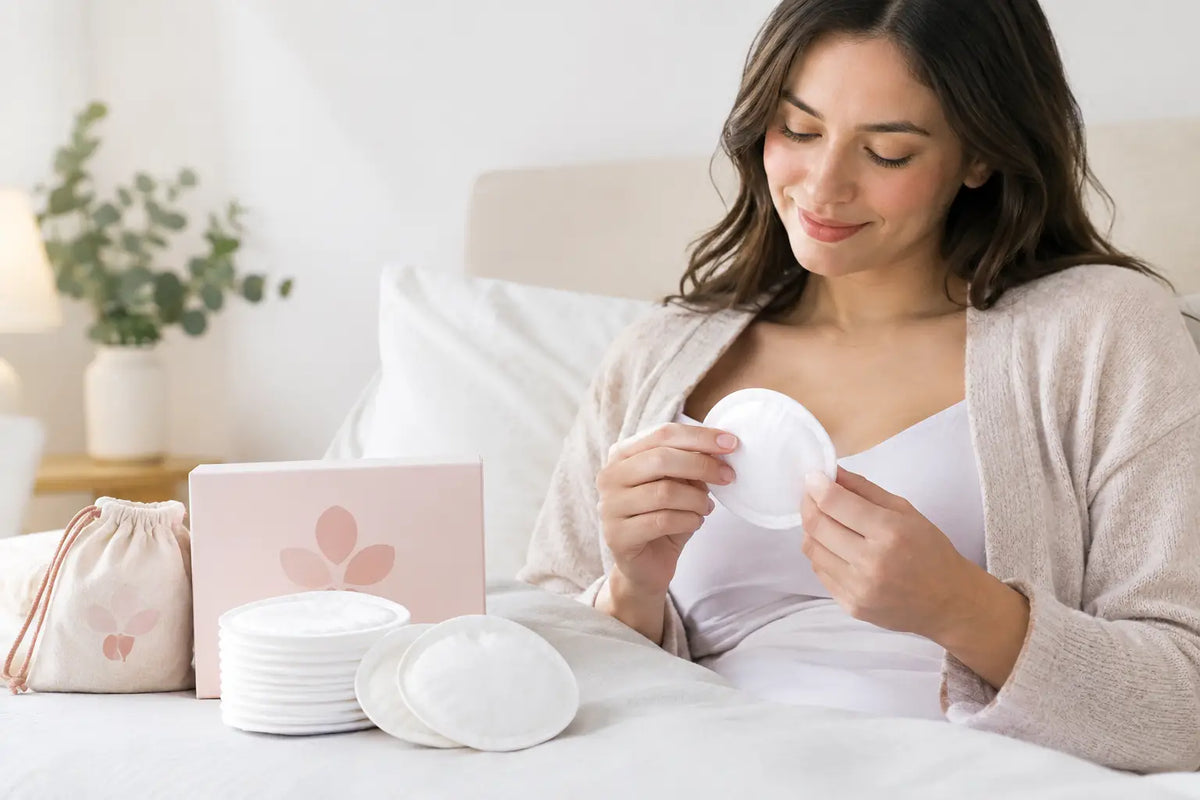
Noora Motherhood’s reusable bamboo nursing pads are designed for the mother who wants soft, dependable everyday protection without sacrificing comfort. Pairing a reliable pad with well-fitting support can help you feel more at ease whether you are resting at home or stepping back into your routine.
Your postpartum body is working hard, often quietly and around the clock. A nursing pad may seem like a small thing, but dry, comfortable skin and protected clothes can offer a little more breathing room in your day. Because every drop counts, and so does your comfort, mama.


