The pump that looks beautiful on a shelf is not always the one that makes 2 a.m. sessions feel manageable. A truly useful premium breast pump buyer guide starts with your body, your routine, and the kind of support you need when breastfeeding feels tender, demanding, or unfamiliar. Because every drop counts, but so does your comfort.
A premium breast pump buyer guide starts with your real routine
Premium does not simply mean more settings or a higher price. It means thoughtful design that respects the realities of motherhood: limited time, changing schedules, sensitive skin, and the desire to express milk without turning your whole day upside down.
Before comparing features, picture when and where you expect to pump. Are you preparing for your return to work? Will you be moving between school runs, appointments, and home? Do you need to express regularly, or do you want a dependable option for occasional use and relief? Your answers will shape what premium means for you.
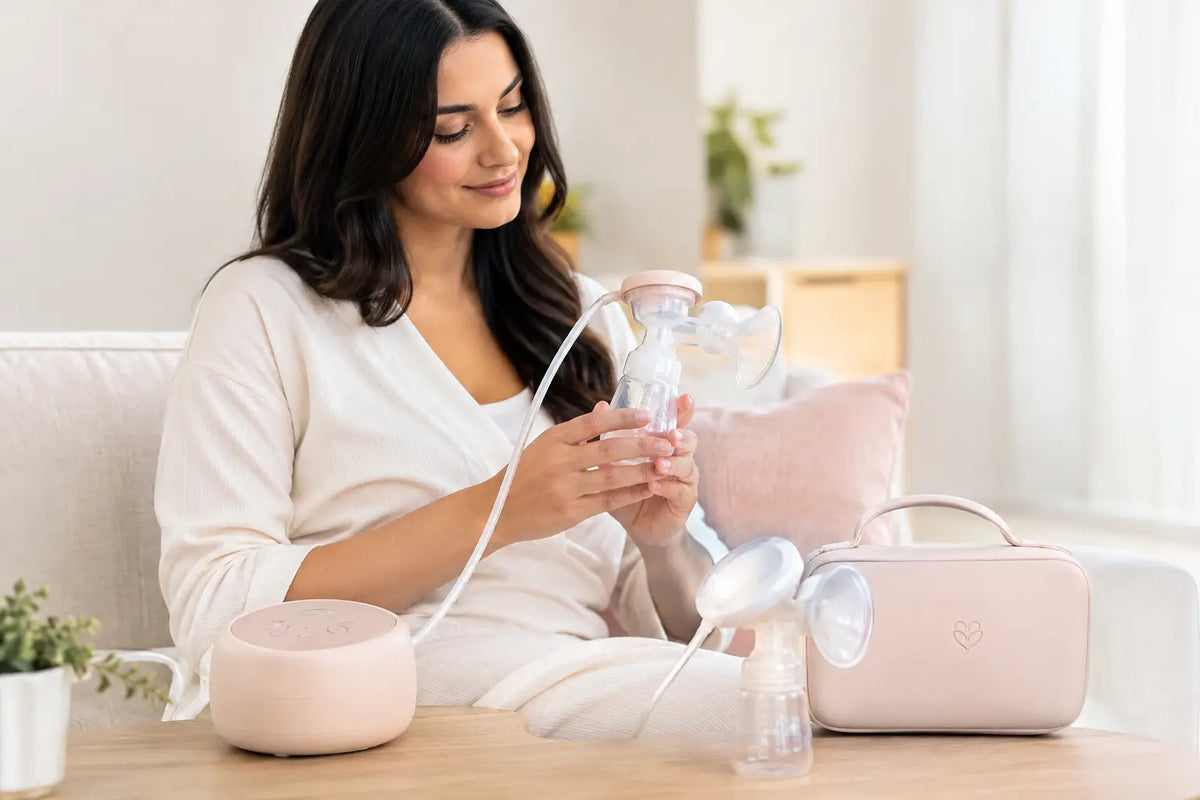
For many mothers, a portable double electric pump offers the right balance of efficiency and flexibility. Expressing from both breasts at once can shorten a session, which may feel especially valuable when rest is scarce. A compact, wearable-friendly design can also give you more freedom to sit comfortably, respond to your family, or take a quiet moment for yourself.
That said, more power is not automatically better. The right pump should feel effective at a setting that remains comfortable for your body. Pain is not a sign that pumping is working well. If every session feels harsh, it is worth reassessing fit, settings, and technique with lactation-informed guidance.
Put flange fit before pump features
A premium pump can only perform as well as its fit allows. The flange, the part that sits around the nipple, plays a central role in comfort and milk expression. A size that is too large may pull in too much surrounding tissue, while one that is too small can cause rubbing, swelling, or pinching.
Your nipple size may also change during the postpartum period, so the size that felt right in the first weeks may not be your best fit later. This is why flange inserts are such a valuable part of a premium pumping setup. They help mothers fine-tune the fit without needing to replace an entire collection system.
During a session, look for a comfortable seal and smooth movement. Your nipple should move freely through the tunnel without persistent friction or whitening. Some tenderness can happen in the early days, particularly when you are still learning, but ongoing pain, cracks, or swelling deserve attention.
If you are unsure where to begin, do not guess alone. Expert lactation support can help you assess sizing, positioning, and settings with far more confidence than a product chart ever could.
Choose power and settings you can actually use
A pump should offer enough adjustability for your body, without giving you a complicated routine to manage when you are tired. Look for clear controls, multiple suction levels, and a rhythm that can be adjusted gradually. The goal is not to use the highest setting. The goal is to find the lowest effective setting that feels comfortable and supports consistent expression.
A good motor matters because reliable suction is the heart of the experience. Premium pumps are often designed to maintain steady performance across regular sessions, but your needs will determine how much motor strength matters. A mother expressing several times daily may prioritize dependable double pumping and a rechargeable battery. Someone who pumps less frequently may place greater value on softness, simplicity, and easy storage.
Noise is another personal consideration. A quieter pump can make a difference if you are expressing while resting, sharing a room, or trying to keep a calm household rhythm. It does not need to be completely silent to be discreet and reassuring.
Portability should reduce mental load
A portable pump is about more than carrying it from one room to another. It should help you feel less tied to an outlet, a fixed chair, or a rigid schedule. Rechargeable operation, compact parts, and a design that is easy to assemble can turn pumping into a more flexible part of your day.
Still, portability comes with trade-offs. The smallest option may require more frequent charging or have a smaller capacity for lengthy sessions. Consider whether you need a pump primarily for home, travel, work, or a combination of all three. A pump that fits easily into your routine is more likely to be used consistently.
For mothers in the UAE who are often balancing family visits, errands, and time away from home, a lightweight double electric option can be particularly practical. Check what comes in the box, how easy the parts are to clean, and whether replacement accessories are readily available when you need them.
Comfort is a system, not one product
The best premium pump is only one part of a well-supported breastfeeding experience. Comfort often depends on the small details surrounding each session: caring for sensitive nipples, managing leaking, and easing breast fullness when your body is adjusting.
Cooling pads can bring gentle relief when you feel sore or swollen, while hot and cold therapy pads can be useful at different moments depending on your needs. Reusable bamboo nursing pads offer soft everyday protection, and silver nipple covers may support comfort between feeds for mothers dealing with sensitivity. Wearable milk collectors can also help you save milk that might otherwise be lost during letdown.
These are not unnecessary extras when they solve a real problem. They are practical tools that can make the difference between dreading a session and feeling prepared for it. Choose accessories based on what your body is telling you, rather than buying every item at once.
Look for cleaning simplicity and durable materials
When you are choosing a breast pump, ask yourself how it will feel to clean after a long day. Fewer parts can make a meaningful difference, provided the pump still gives you the fit and performance you need. Components should be straightforward to take apart, rinse, and dry thoroughly according to the manufacturer’s instructions.
Materials matter, too. Look for skin-contact components made for feeding use and designed with comfort in mind. A premium experience should feel refined but also practical: durable parts, intuitive assembly, and clear guidance for care.
It helps to think ahead about replacement items. Valves, membranes, tubing where applicable, and flange inserts are parts you may eventually need to refresh. Choosing a brand with an ecosystem of compatible accessories can make ongoing care feel far less stressful.
Questions to ask before you buy a premium breast pump
A little reflection can prevent a purchase that looks right but does not suit your life. Before deciding, consider these questions:
- Will I be expressing from one breast or both during most sessions?
- Do I need a rechargeable, portable option for work, travel, or moving around at home?
- Are multiple flange sizes or inserts available for a more personalized fit?
- Can I understand and adjust the settings easily when I am tired?
- Is expert help available if I experience discomfort or have questions about use?
The value of lactation-informed support
A premium purchase should offer more than a device. It should give you reassurance that someone understands the physical and emotional layers of breastfeeding. At Noora Motherhood, that care is shaped by Dr. Soulaf Mansour’s more than 15 years of lactation experience, pairing thoughtful products with guidance grounded in real maternal needs.
If pumping feels uncomfortable, inefficient, or emotionally heavy, pause before assuming you are doing something wrong. Sometimes a smaller flange insert, a gentler setting, a different position, or a few minutes of expert guidance is what changes the experience. You are learning your body in a new season, and that learning deserves patience.
Choose the pump that supports your life rather than asking your life to revolve around it. The right fit, comfortable settings, and caring support can help each session feel a little more peaceful. You are doing amazing, mama.


