A pumping session can look simple from the outside: find a quiet moment, put on your pump, and wait. But in the early weeks, it often carries much more than that. There is physical recovery, interrupted sleep, a feeding rhythm that seems to change daily, and the pressure to make every minute count. Learning how to manage pumping sessions is not about creating a perfect schedule. It is about building a rhythm that supports your body, your baby, and your peace of mind.
You are doing amazing, mama. A routine can be helpful, but it should never become another standard you feel you have to meet.
Begin with your reason for pumping
Your pumping plan should start with your goal, because the best frequency and timing depend on what you need right now. Some mothers pump occasionally for comfort or flexibility. Others are working to establish or maintain milk production, need to be away from their baby for part of the day, or are navigating a temporary feeding challenge.
These situations call for different approaches. If you are pumping to support milk production, regular milk removal is usually the priority. If you are pumping only once in a while, a lighter routine may be enough. There is no universally correct number of sessions, and comparison can make an already tender season feel harder.
A lactation consultant can help you create a plan that reflects your postpartum recovery, your baby’s needs, and any medical considerations. This is especially worthwhile if pumping is painful, output has changed suddenly, or you are unsure whether your schedule is supporting your goals.
Create a flexible pumping rhythm
Instead of trying to organize your entire day around exact times, begin by identifying your most reliable windows. For many mothers, this may be after an early-morning feed, during a longer nap, before leaving for work, or when another caring adult is holding the baby. Choose moments that fit your real life, not an idealized version of it.
Consistency matters more than perfection. If you are following a regular pumping plan, keeping sessions fairly spaced through the day can help your body recognize the pattern. Yet life with a newborn rarely moves in straight lines. One delayed session does not erase your progress. Return to your next planned session when you can, rather than trying to compensate with stress.
It can help to use a gentle reminder on your phone, especially when postpartum brain fog is real. But let the reminder be a support, not a command. Your body may also give you cues: fullness, leaking, comfort changes, or a sense that it is time for milk removal.
Keep your routine simple enough to repeat
A complicated setup becomes difficult to sustain when you are tired. Keep the items you reach for most often together in one clean, easy-to-access place: your pump, correctly sized flanges, collection containers, nursing pads, and a drink of water. A small basket beside your usual chair or workspace can turn a rushed search into a calmer pause.
If you pump away from home, prepare a second set of essentials when possible. This reduces the mental load of remembering every item before an appointment, commute, or family visit. In the UAE’s warm climate, plan ahead for safe milk storage and transport, particularly when you expect to be out for several hours.
Make comfort part of the plan
Pumping should not be something you simply endure. Some adjustment or mild tenderness can happen in the beginning, but ongoing pain, rubbing, blanching, swelling, or damaged skin deserves attention. Discomfort is often a sign that something in the setup needs to change.
Flange fit is one of the most overlooked pieces of pumping comfort. A flange that is too large or too small can affect how your nipple moves in the tunnel and may make sessions less effective or more painful. Your size can also change over the course of your breastfeeding journey, so a fit that worked in the first weeks may not always remain ideal. Flange inserts can offer a more personalized fit when the standard size does not feel right.
Start with a comfortable suction level rather than assuming stronger is better. Higher suction does not automatically mean more milk, and discomfort can make it harder to relax. Give yourself a minute to settle, breathe slowly, and check your posture. Your shoulders do not need to carry the entire day while you pump.
Warmth before a session may help some mothers feel more comfortable and encourage milk flow. A warm therapy pad and gentle breast massage can be soothing when fullness or tension is making the session feel difficult. If you are dealing with swelling or tenderness afterward, cooling pads may bring welcome relief. Use temperatures that feel comfortable on your skin, and speak with a healthcare professional about persistent pain, redness, fever, or flu-like symptoms.
Let your body have time to respond
Milk flow is not a performance test. Some sessions begin quickly; others take a few minutes to get going. Stress, fatigue, dehydration, illness, and an unfamiliar environment can all affect how a session feels. Trying to watch every drop can create more pressure than it solves.
Create a small calming cue before you begin. You might take several slow breaths, rest your feet on the floor, sip water, or place a warm pad over your shoulders. This does not need to be an elaborate ritual. Even two quiet minutes can help your nervous system shift out of rush mode.
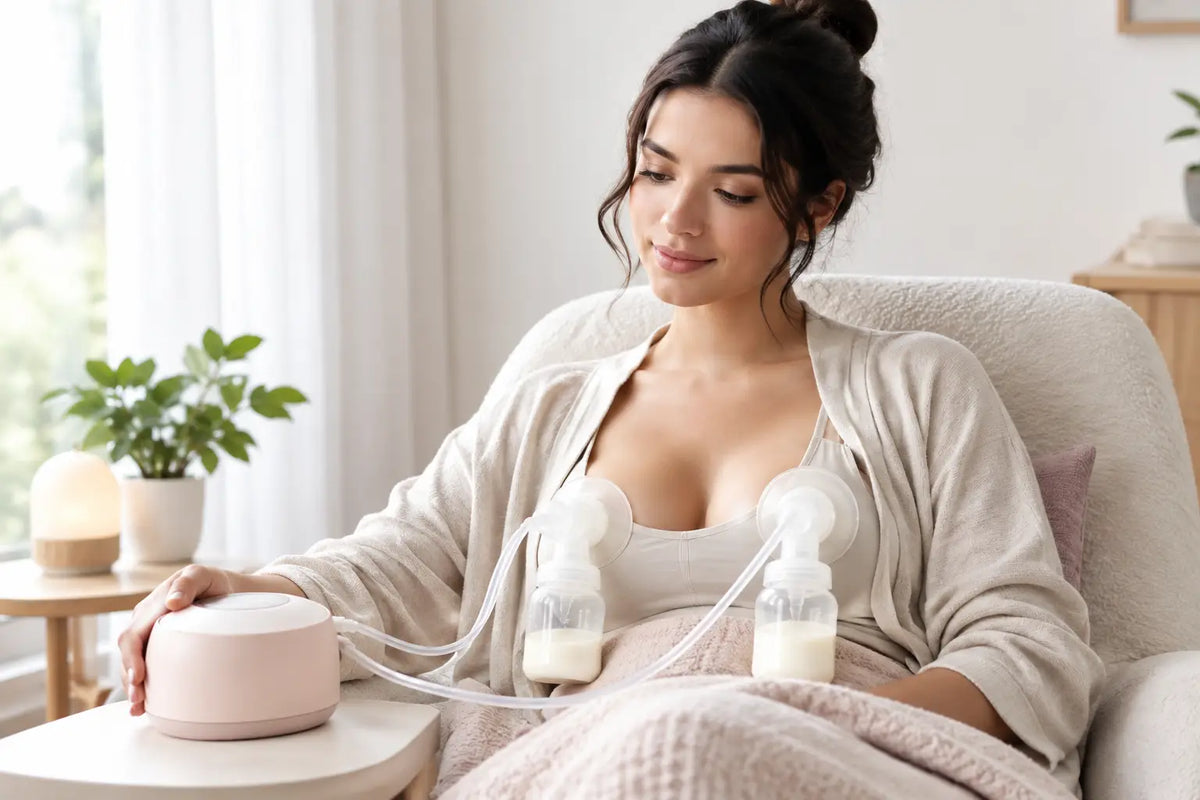
A portable double electric pump can be particularly useful when you need to make the most of a limited window. The Noora MightyMini was designed to offer mothers practical freedom without asking them to compromise on comfort. Still, portability should serve your rhythm, not turn every spare moment into a task. Rest is productive too.
Track patterns, not every ounce
A simple note on your phone can help you spot patterns over several days: when you pumped, how the session felt, and whether you noticed comfort issues or changes in output. This information can be useful when you speak with a lactation consultant.
Try not to judge a single session in isolation. Output naturally varies by time of day, recent feeding patterns, hydration, stress, and many other factors. What matters more is the broader picture: how you feel, whether your milk removal plan is manageable, and whether your baby’s growth and diaper output are being monitored appropriately by your care team.
If tracking starts to make you anxious, scale it back. You may only need to note session times for a few days or record comfort concerns until you find a better flange fit. Data should offer reassurance and clarity, not become another source of pressure.
Protect your skin between sessions
Pumping management continues after the pump comes off. Give your nipples and surrounding skin a little care between sessions, especially in the early postpartum days. Allow the area to dry comfortably, change damp nursing pads promptly, and choose soft, breathable materials against sensitive skin.
Silver nipple covers can be a comforting option for mothers experiencing soreness, while reusable bamboo nursing pads can help manage leaks gently and discreetly. If you are using any creams or treatments, follow the advice of your healthcare provider or lactation consultant. Cracked skin, bleeding, significant pain, or signs of infection should not be something you are expected to push through alone.
Know when to ask for support
Expert guidance can save you from weeks of trial and error. Reach out if pumping is consistently painful, your nipples are being pulled deeply into the flange tunnel, you are worried about supply, or you feel overwhelmed by the schedule. Support is also valuable if you are returning to work, recovering from a difficult birth, caring for multiples, or simply want reassurance that your setup is working for you.
The most sustainable pumping routine is one that leaves room for you to be a person, not only a milk provider. Adjust the plan as your days change, accept help where it is offered, and remember: every session is an act of care. Because every drop counts, and so do you.


