Skip to content

Welcome to Noora Motherhood - Your cocoon of peace, care & expert support – for a truly different breastfeeding experience.

Here you'll find honest, expert advice from Dr Soulaf Mansour — Certified Lactation Consultant with 15+ years experience
in the UAE, and co-founder of Noora Motherhood. Real answers, gentle guidance, for every step of your breastfeeding journey 🌸

The Mama's Milk Corner
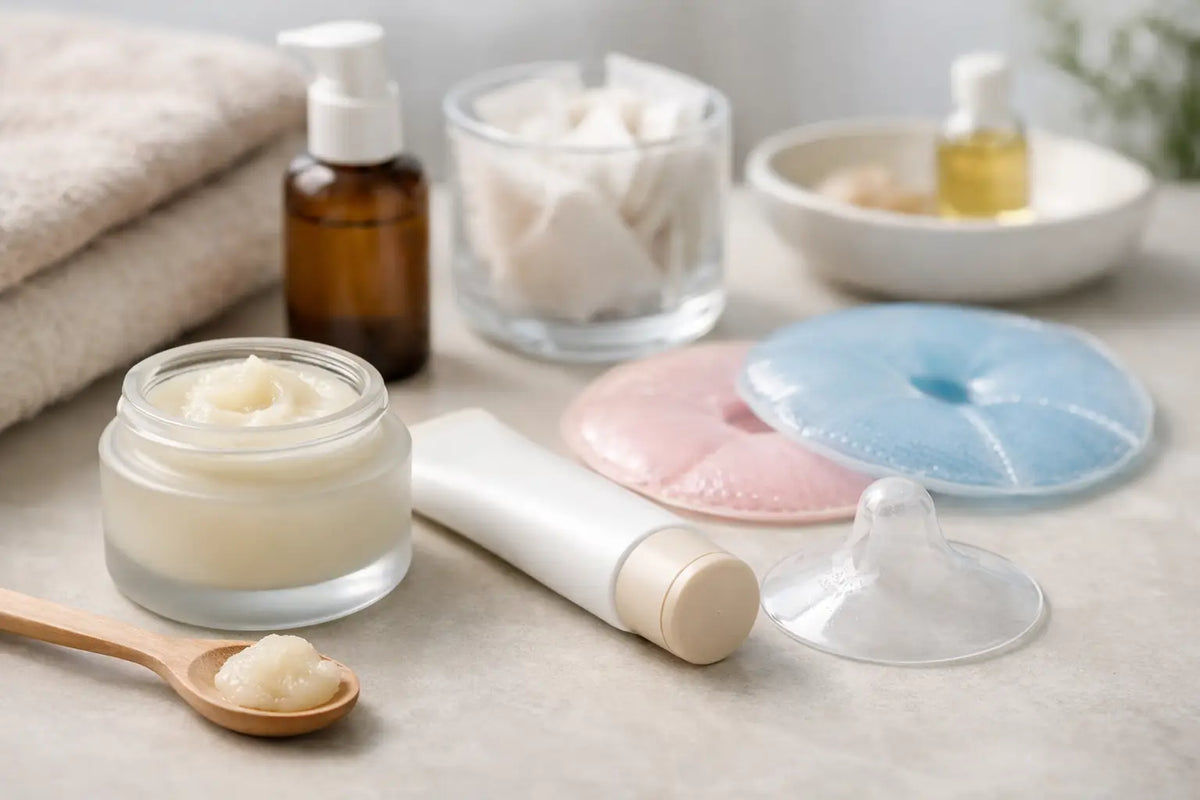
8 Best Reusable Nursing Pads for Comfort

8 Best Reusable Nursing Pads for Comfort

Looking for the best reusable nursing pads? Learn what matters most for comfort, absorbency, fit, and skin-friendly daily leak protection.

Learn more
Wearable Milk Collectors: How to Use Them

Wearable Milk Collectors: How to Use Them

Learn wearable milk collectors how to use them safely and comfortably, with simple tips for fit, leaks, cleaning, storage, and daily wear.

Learn more
Hot and Cold Therapy Pads Breastfeeding

Hot and Cold Therapy Pads Breastfeeding

Learn how hot and cold therapy pads breastfeeding support can ease pain, swelling, and letdown for more comfort in every feeding stage.

Learn more
Silver Nipple Covers for Breastfeeding: Do They Help?

Silver Nipple Covers for Breastfeeding: Do They Help?

Silver nipple covers for breastfeeding may soothe sore, cracked nipples and support healing. Learn how they work, when to use them, and what to expect.

Learn more
How to Choose the Right Breast Pump for You

How to Choose the Right Breast Pump for You

Choosing a breast pump can feel overwhelming. With so many options—manual, electric, double, wearable—moms are often left wondering: “Which one is right for me?” The truth is, not every mom needs the same pump. The best choice depends on your lifestyle, your breastfeeding goals, and how often you plan to pump. Just as importantly, it’s not only the pump itself that matters but also the fit of the parts you use with it—especially the flange size. This guide will walk you through the different types of pumps, the key features to look for, and why choosing the right fit (particularly the flange) can make all the difference for comfort, milk supply, and overall breastfeeding success. 1. Clarify Your Breastfeeding Goals First Before choosing a pump, ask yourself : Do I plan to breastfeed directly most of the time and only pump occasionally Am I going back to work and will need to pump daily ? Do I want to or need to exclusively pump ? 🌸 If your goal is to breastfeed directly at the breast, remember: a pump is only a supportive tool. The priority is always to address any latch or supply issues with the right help. 2. Factors to Consider When Choosing a Pump 2.1 Frequency of Use Very occasional use → A manual pump or single electric pump may be enough. Daily use / working moms double electric pump is more efficient. Exclusive pumping heavy-duty double pump (sometimes called hospital-grade) is the best option. 2.2 Comfort and Fit : The Importance of the Right Flange Size One of the most important (and often ignored) factors in choosing a pump is making sure you have the correct flange size. The flange (or breast shield) is the part of the pump that fits over your nipple and areola. A wrong size can lead to pain, nipple damage, poor milk removal, or low supply. The right size ensures: - Better comfort- More efficient milk flow- Protection of the nipple and areola 3. How to Measure Your Nipple for the Right Flange Size To find your correct size : 1. Measure the diameter of your nipple (without the areola) using a ruler or measuring tool, ideally before a breastfeeding or pumping session. 2. Choose a flange that is close as possible to your nipple size—without adding many millimeters.-Example: if your nipple measures 17 mm, you should use a 17 mm or 18 mm insert—not a 21 mm 3. Staying close to your true size ensures : - Better suction efficiency- Less friction pain- Optimal milk outpout 🌸Important : Using a flange that’s too big or too small can compromise both your comfort and your milk supply. This is why at NOORA we provide multiple insert options (1" mm, 15 mm, 17 mm, 19 mm, 21 mm, etc.) so every mom can find her best fit. 4. Types of Breast Pumps 4.1 Manual Pump Affordable, lightweight, and quiet. Best for moms who only pump occasionally. 4.2 Single Electric Pump Faster than manual. Suitable for moms who pump once a day or a few times a week. 4.3 Double Electric Pump Allows you to pump both breasts at once. Saves time and stimulates supply more effectively. Recommended for working moms or those who pump daily. 4.4 Wearable/Portable Pump Hands-free, discreet, and convenient. Can be a great occasional tool for on-the-go pumping. However, most wearable pumps have smaller motors, which means they may not be as efficient in fully emptying the breasts, especially for moms who rely on pumping multiple times per day. 🌸 While wearables can be useful, I always recommend that moms who need to pump regularly or exclusively invest in a heavy-duty pump to protect their milk supply. Wearables are a good complement, but they shouldn’t be the main pump. 5. Why We Designed the NOORA Pump At NOORA MOTHERHOOD, we focused on creating a pump that is: Portable and easy to carry by hand or move around with. Efficient yet gentle — featuring a soft silicone suction system that is both comfortable and effective at increasing milk output. Adaptable to every mom — with insert options for multiple flange sizes, so each mom finds the perfect fit. Durable and reliable — strong enough to be used as a main, everyday pump if needed. Whisper-silent — designed for discreet use at work, at night, or in shared spaces, without disturbing others. Closed system for maximum hygiene and safety. A closed system means there is a physical barrier that prevents breast milk from flowing back into the tubing or motor. This protects the milk from contamination and keeps the pump clean and safe for repeated, long-term use. And because quality matters, the NOORA pump comes with : 2 years warranty for the motor 90 days warranty for plastic parts and accessories 6. Must-Have Features to Look For Adjustable suction levels to mimic your baby’s natural rhythm. Quiet motor for discreet pumping (especially in the workplace). Closed system for maximum hygiene and safety . Handy / Portable if you need to use it easily in different places Easy-to-clean parts to save time and energy. Warranty and after-sales support, so you can pump with peace of mind. 7. Professional Support Makes a Difference Even the best pump won’t feel right if it doesn’t fit your body. This is why it’s so important to consult a lactation consultant (IBCLC) if you’re unsure. She can help you measure your nipple size and recommend the correct flange size. She can guide you in building a pumping routine that protects your supply. She can help you decide which type of pump best fits your needs. There is no single “best” breast pump for every mom. The right choice depends on your lifestyle, your breastfeeding goals, and—most importantly—the correct fit for your body. Remember: a properly fitted flange is just as important as the pump itself. The right size protects your nipples, increases comfort, and helps you get the most milk with every session. At NOORA, we believe in pumps that are practical, comfortable, and effective. That’s why we designed ours with soft silicone flanges, adjustable inserts, and a reliable motor with a 2-year warranty—so that when a mom needs to pump, she can do it with ease and confidence. Explore our range of breast pumps and flange sizes at NOORA—designed to give you comfort, efficiency, and flexibility, because every drop of milk counts. 🌸 Discover the Noora MightyMini

Learn more
When Should a Mom Use a Breast Pump?

When Should a Mom Use a Breast Pump?

Breastfeeding is a unique and beautiful journey, but it can also bring unexpected challenges. For many mothers, nursing at the breast works smoothly with the right support. For others, there may be moments when a little extra help is needed—whether due to separation from the baby, medical reasons, or simply the realities of modern life. In these cases, a breast pump can be a valuable ally. While it is not a tool that every mother will need, it can provide important support in maintaining milk supply, relieving discomfort, or ensuring that a baby continues to benefit from breast milk when direct breastfeeding isn’t possible. The goal is never to replace breastfeeding at the breast if that’s what you wish for, but rather to give you options and flexibility when circumstances make it difficult. Knowing when to use a breast pump can empower you to protect your breastfeeding journey while adapting to your own needs and lifestyle. 1. When Mom and Baby Are Separated During hospital stays (for mom or baby) - NICU babies for eg When mom has appointments and decide not to take her baby or needs to be away for several hours To prepare a stash of milk before going back to work (note: a mom doesn’t need a freezer full of milk!) Why it matters: Separation without pumping can lead to under stimulation of lactation or a decrease in milk supply. A pump ensures the breasts are emptied regularly, helping boost or maintain production. 2. When Baby Has Latching Difficulties Sometimes, babies are not able to nurse effectively at first. This can happen if: There is a tongue-tie or lip-tie Baby is premature or “sleepy” at the breast Mom experiences significant nipple pain or damage In such cases, a breast pump can help protect the milk supply until the root cause is addressed. Always remember: the pump is a bridge, not the solution. Working with a lactation consultant is key to fixing the underlying issue so that breastfeeding at the breast remains possible. 3. When Mom Returns to Work  One of the most common reasons mothers invest in a pump is the return to work. Pumping during the workday ensures that the breasts are regularly emptied. It allows the baby to continue receiving breast milk while mom is away. Tip: Building a small milk stash before returning is helpful—but it doesn’t need to be a huge freezer supply. Just a few days’ worth is usually enough when combined with regular pumping at work. 4. When Mom Chooses to Exclusively Pump Some mothers decide to pump exclusively instead of nursing at the breast. This allows other caregivers to share in feeding responsibilities. It can provide flexibility for moms who prefer structured feeding routines. Baby still receives all the benefits of breast milk. Exclusive pumping is a valid choice—but if your heart is set on breastfeeding at the breast, make sure you first explore and address any challenges with professional support before turning to this path. 5. When Managing Engorgement or Oversupply Engorgement and oversupply can be stressful for both mom and baby. The most important step is always to identify and treat the root cause—whether it’s infrequent feeds, latch issues, or an imbalance in supply and demand. That said: If your baby is full but your breasts feel painfully engorged, you can hand express or pump just enough for comfort. Avoid over-pumping, as this can stimulate your body to make even more milk and worsen the oversupply. Use the pump as a short-term relief tool while focusing on solving the underlying problem. Final Note: The Pump Is a Tool, Not the Goal If your heart is set on exclusive breastfeeding at the breast, your priority should always be to seek the right support and fix the root cause of any challenges—whether that’s a latch issue, tongue-tie, nipple pain, or supply concern. A pump can be an invaluable short-term ally to protect your milk supply during these struggles, but it should not replace the effort to solve the underlying problem. With the right guidance and perseverance, most breastfeeding issues can be overcome, allowing you to continue nursing your baby directly at the breast. Remember: the pump is here to support you—not to replace breastfeeding unless you decide to go into exclusively pumping. Not every mom will need a breast pump. But for those facing separation, latching challenges, returning to work, or temporary oversupply, a pump can make a meaningful difference. The key is to use it as a supportive tool while keeping your breastfeeding goals in mind. Explore our carefully selected range of breast pumps and breastfeeding essentials at NOORA MOTHERHOOD – because every drop counts.  🌸 Shop Noora Motherhood

Learn more
Chat Support

Support
Typically replies within an hour

Hi there 👋

How can I help you?
×