You have finished pumping, your little one is finally settled, and now there is one more question on your mind: where should that precious milk go? Learning how to store expressed breast milk safely can make those early weeks feel less uncertain. A few calm routines around cleanliness, temperature, and timing help protect every drop you worked so hard to express.
Because every drop counts, you do not need a complicated system. You need clear guidance you can trust and a storage rhythm that works on the busiest, sleepiest days too.
Start With Clean Hands and Clean Equipment
Safe milk storage begins before you pump. Wash your hands thoroughly with soap and water, then make sure every part of your pump that touches milk has been cleaned and fully dried according to the manufacturer's instructions. This matters because bacteria can grow when milk comes into contact with unclean surfaces.
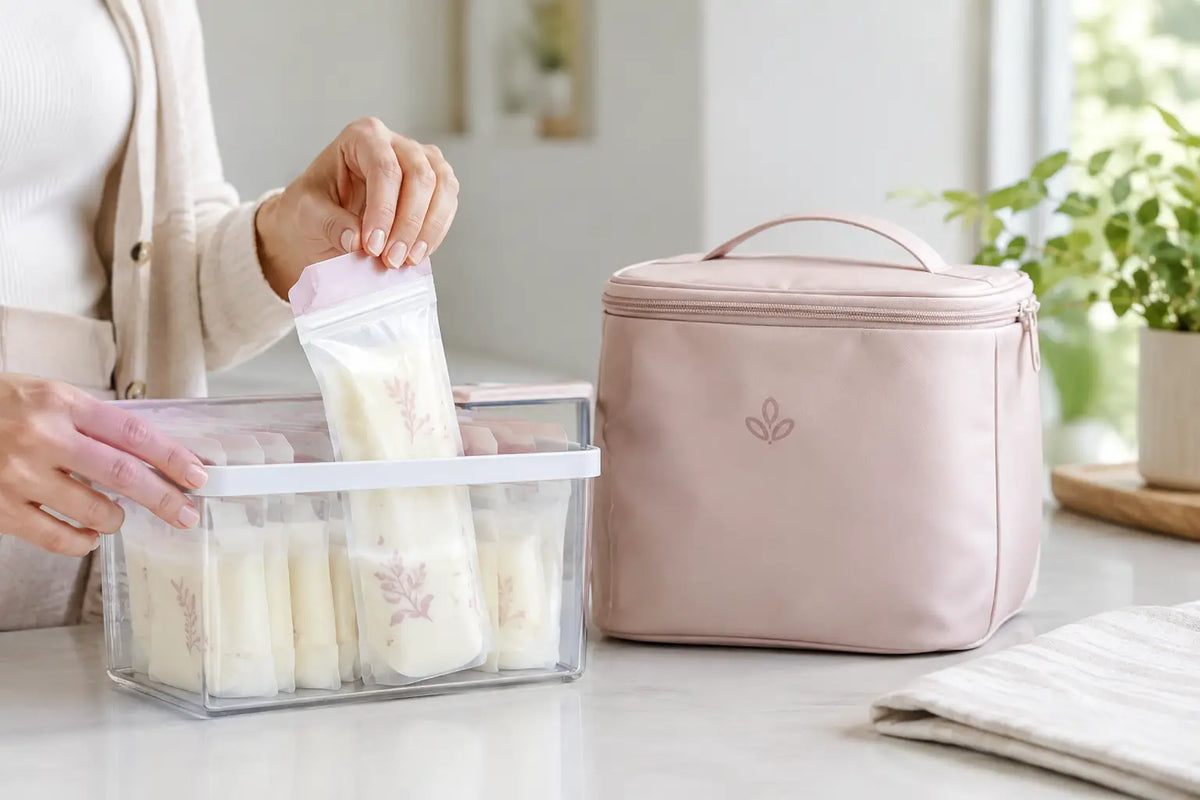
Use clean, food-grade containers or breast milk storage bags designed specifically for human milk. Choose options that seal securely and are labeled for refrigeration and freezing. Avoid overfilling, especially if you plan to freeze the milk, because liquids expand as they freeze.
It can be helpful to store milk in smaller portions based on what your baby usually takes at a feeding. This reduces waste and means you only warm what is needed. A simple label with the date and time of expression is one of the most useful habits you can create. If someone else may care for your baby, add your baby's name as well.
How to Store Expressed Breast Milk Safely by Temperature
Temperature is the heart of safe storage. Freshly expressed milk can stay at room temperature for up to 4 hours when the room is 77°F (25°C) or cooler. If your home is warmer, particularly during a hot Middle Eastern summer, move the milk into the refrigerator as soon as possible rather than leaving it on the counter.
For refrigerated storage, place milk toward the back of the refrigerator, where the temperature is most stable. Keep your refrigerator at 40°F (4°C) or below. Freshly expressed milk is best used within 4 days in the refrigerator. Although life with a newborn can make tracking dates feel like one more thing to remember, labeling each container immediately gives you a little more peace of mind later.
For longer storage, freeze the milk. It is best used within 6 months in the freezer, although up to 12 months is acceptable when kept continuously frozen. Store it at the back of the freezer, not in the door, where temperature changes happen more often. Use the oldest dated milk first so nothing gets forgotten.
Here is a simple reference to keep close:
- At room temperature, 77°F (25°C) or cooler: use within 4 hours.
- In a refrigerator at 40°F (4°C) or below: use within 4 days.
- In a freezer: use within 6 months for best quality, or up to 12 months if needed.
- In an insulated cooler with frozen ice packs: use within 24 hours.
Cool Fresh Milk Before Combining It
It is common to express milk more than once in a day. You can combine milk from different pumping sessions, but first cool the freshly expressed milk in the refrigerator before adding it to milk that is already chilled. Combining warm milk with cold milk can raise the overall temperature and may not keep the older milk as cool as it needs to be.
Once combined, label the container with the date and time of the oldest milk. That date becomes the one you follow for safe use. This small detail is easy to miss when you are tired, but it protects the milk you expressed first.
If you are pumping away from home, an insulated cooler with plenty of frozen ice packs can keep milk safely chilled for up to 24 hours. In warm climates, keep the cooler closed, out of direct sun, and never leave it in a parked car. When you arrive home, transfer the milk to the refrigerator or freezer right away.
Freezing Milk Without Losing Track of It
Freezing can create breathing room for mothers returning to work, preparing for an appointment, or simply building a small reserve. Before placing milk in the freezer, leave a little space at the top of the storage bag or container for expansion. Lay bags flat while freezing if that works with your freezer space, then organize them upright once solid.
A basket or small storage bin can make your freezer feel much more manageable. Arrange milk by date, with the oldest at the front. You do not need a large supply to be prepared. A modest, well-organized reserve is often more practical than an overflowing freezer full of milk that may reach its storage limit.
Try not to freeze milk that has already been in the refrigerator for several days. Freezing it sooner preserves better quality. If you know you will not use freshly expressed milk within the next few days, freezing it on the day it is expressed is a gentle, reliable choice.
Thaw and Warm Milk Gently
The safest way to thaw frozen milk is in the refrigerator overnight. Once it has fully thawed in the refrigerator, use it within 24 hours. If you need it sooner, hold the sealed container under warm running water or place it in a bowl of warm water.
Do not use a microwave or place milk directly on the stove. These methods can create hot spots and may damage some of the milk's protective properties. Instead, gently swirl the container after warming to mix the cream back into the milk. Separation is normal and does not mean the milk has spoiled.
Milk that has reached room temperature or has been warmed should be used within 2 hours. Do not refreeze thawed milk. If milk has already been offered to your baby, use any remaining milk within 2 hours after the feeding ends, then discard what is left.
Trust Your Senses, But Follow the Clock
Breast milk can look different from day to day. Its color may vary, and the cream may rise to the top during storage. Those changes are expected. A soapy or slightly metallic smell can also happen because of naturally occurring enzymes and does not always mean milk is unsafe.
When in doubt, storage time and temperature are more reliable than appearance alone. If milk was left out longer than recommended, was not kept cold during travel, or you cannot confidently remember when it was expressed, the safest choice is to discard it. It can feel difficult, especially when you have pumped with such care. But protecting your baby's health matters more than saving a questionable container.
Make Storage Part of Your Pumping Rhythm
The easiest systems are the ones that ask the least from you. Keep labels and a marker near your pumping space. Make room in the back of the refrigerator before you need it. If you are expressing overnight, decide in advance whether you will refrigerate or freeze the milk so there is no extra mental work at 3 a.m.
At Noora Motherhood, we believe practical breastfeeding support should feel like a cocoon of care, not another source of pressure. If pumping feels painful, stressful, or confusing, compassionate lactation guidance can help you find a routine that is comfortable for you.
Your body is doing meaningful work, even in the quiet moments when you are labeling, chilling, and storing milk. Be gentle with yourself as you learn. A clean container, a clear date, and a safe temperature are enough to turn one more task into a small act of care for your baby and for you, mama.


